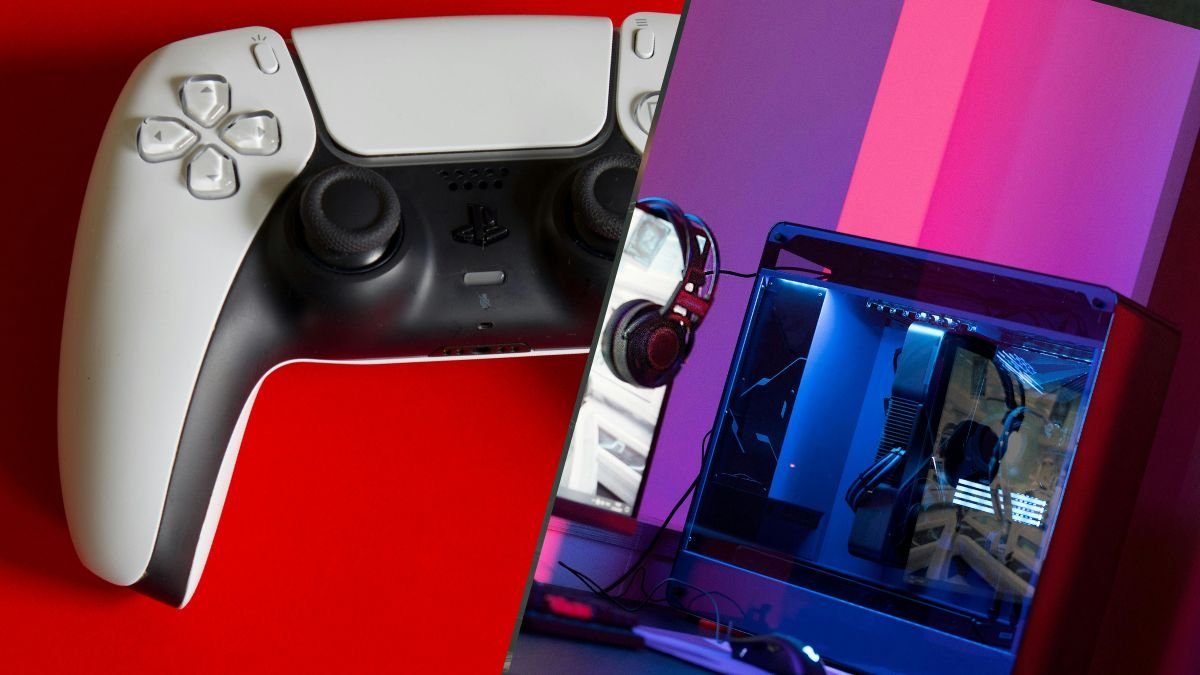
How to Use a PS5 Controller on PC: The Complete Guide for 2026
The PS5 DualSense is one of the best controllers ever made. It has adaptive triggers, haptic feedback, a built-in speaker, a touchpad, and a comfortable


TMR joysticks continue to gain attention because they solve a problem players have dealt with for as long as controllers have existed: stick drift and delay.
Standard analogue modules rely on physical contact inside the sensor. That contact wears down with use, and once it does, the stick starts showing small movements even when untouched. Some players call it ghost movement. Others call it drift. Either way, it usually appears long before the rest of the controller shows its age. But TMR solves this entirely by taking a different approach.
Unlike standard analog sticks, TMR joysticks react to a shift in a magnetic field. The stick still feels familiar under your thumb, but the sensor beneath it behaves very differently. There are no surfaces scraping against each other, so the sensor doesn’t degrade from friction. It simply keeps reading your input cleanly day after day.
This is why TMR is often described as a life-long upgrade. The benefit starts with durability. A worn potentiometer can change how a controller behaves, even if the stick cap still feels solid. A magnetic sensor avoids that slow decline entirely. For players who use the same controller every day or put heavy pressure on their sticks in fast-paced games, that extra lifespan is hard to ignore. There is also a comfort in knowing the controller won’t suddenly drift in the middle of a match.
Even though TMR is often discussed in technical terms, the real benefit shows up in simple, everyday play. Flick the stick quickly, and the sensor reads it without hesitation. Make a small correction, and the movement stays clean. Move repeatedly during long sessions, and the sensor continues to behave the same way. The technology behind it may sound complex, but the experience feels natural. You just get a controller that stays dependable for much longer than standard builds.
Once players understand that TMR sticks last longer, the next question is usually whether they feel different. The short answer? Yes. Because TMR responds to magnetic shifts rather than physical contact, the signal it sends to the controller is far cleaner and more consistent.
That consistency shows up most clearly in the small movements. A tiny adjustment to line up a shot. A gentle tilt to track an opponent. A slow camera pan when scanning the environment. On standard sticks, those fine movements can vary slightly because the sensor inside has moving parts.
With a TMR joystick, the reading remains steady because nothing inside the module grinds or loosens over time.
This steadiness also helps with muscle memory. When the stick reacts the same way every time, your habits stay sharp. You don’t need to compensate for a sensor that has slowly shifted or lost accuracy from wear. Your aim patterns remain consistent. Your reaction timing stays intact.
However, the improvement isn’t dramatic or flashy, by any means. It’s quiet and practical. You simply feel more in control of your movement, and the controller stops surprising you in moments where precision matters. For players who spend a lot of time in competitive settings or anyone who values clean input, this is the part of TMR that ends up being the most satisfying.
TMR maintains its feel from the first hour of gameplay to the last. Mechanical sensors can warm up, loosen, or become slightly uneven during heavy use. That shift is subtle but can throw off timing for players who rely on repetition. TMR’s magnetic design doesn’t suffer from that kind of fatigue. The stick behaves the same way deep into a session as it does at the start, which gives you a sense of reliability during long play.
This consistency under stress is one of the reasons competitive players gravitate toward TMR. It lets you focus more on the match and less on what your controller is doing.
Even outside high-intensity games, players appreciate how steady the stick feels when jumping between scenes, adjusting camera angles, or making frequent menu movements. It’s a quality that quietly blends into your routine. You notice it not because it draws attention to itself, but because it removes the moments of friction you were used to with older modules.
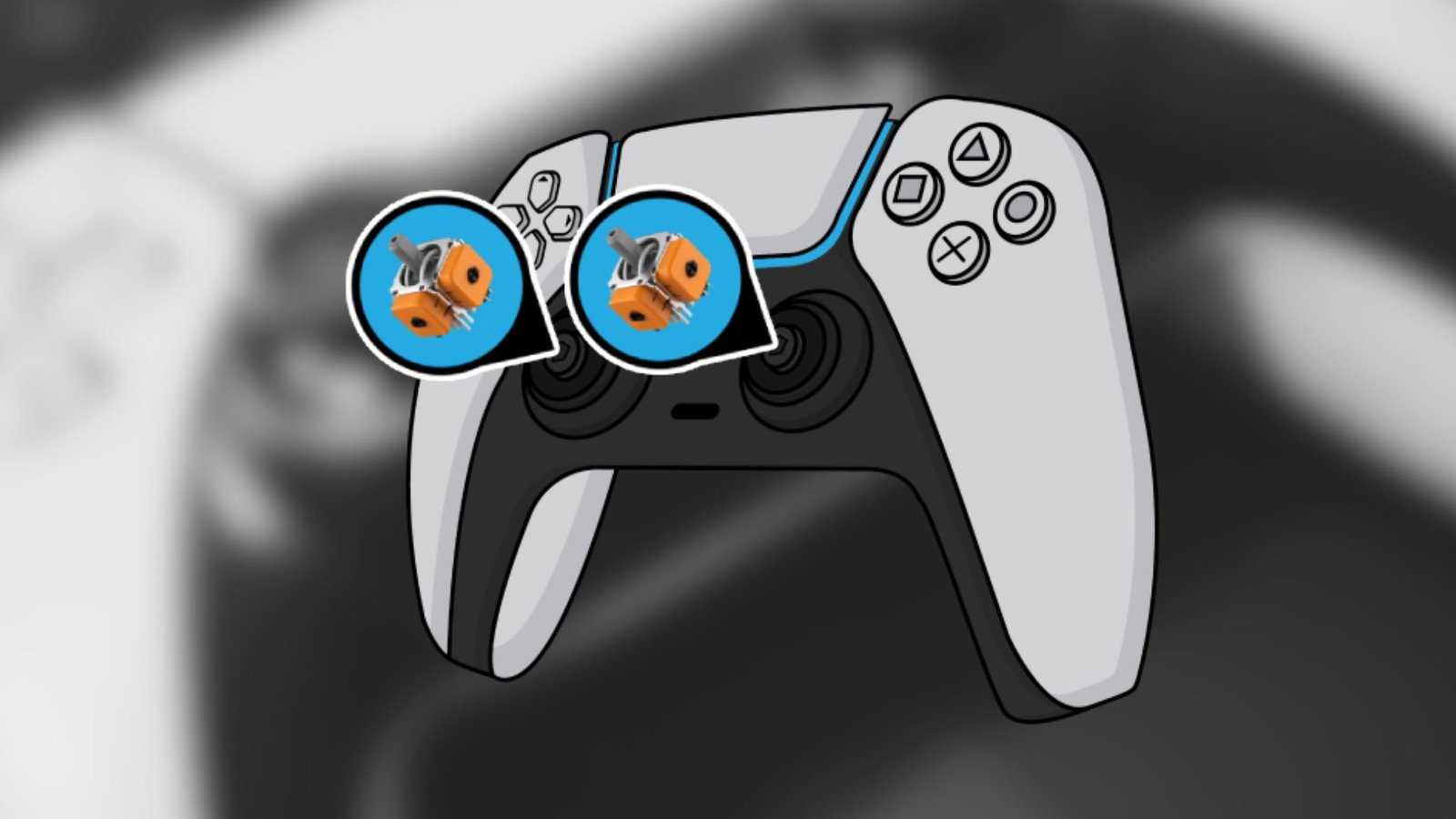
Replacing a full controller is costly. Upgrading to TMR sticks, over Hall Effect, costs much less than buying a new controller, and it directly addresses the part that usually fails first. Instead of throwing away a device that still works everywhere else, you fix the part that needs attention.
Another part of the value comes from peace of mind. You’re not waiting for drift to appear or checking your camera every few sessions to see if the stick has started pulling in a direction you never touched. The controller stops feeling like something fragile and becomes something dependable. You know it will respond the same way tomorrow, next month, and long after that.
TMR upgrades also extend the life of the entire controller. Buttons, triggers, and shells usually last far longer than standard sticks. By replacing the most wear-prone component, you keep the whole controller usable for a much longer period. It becomes a way to protect the investment you already made rather than starting over each time the sticks begin to show signs of wear.
This blend of performance and longevity makes TMR joysticks one of the most practical upgrades available.
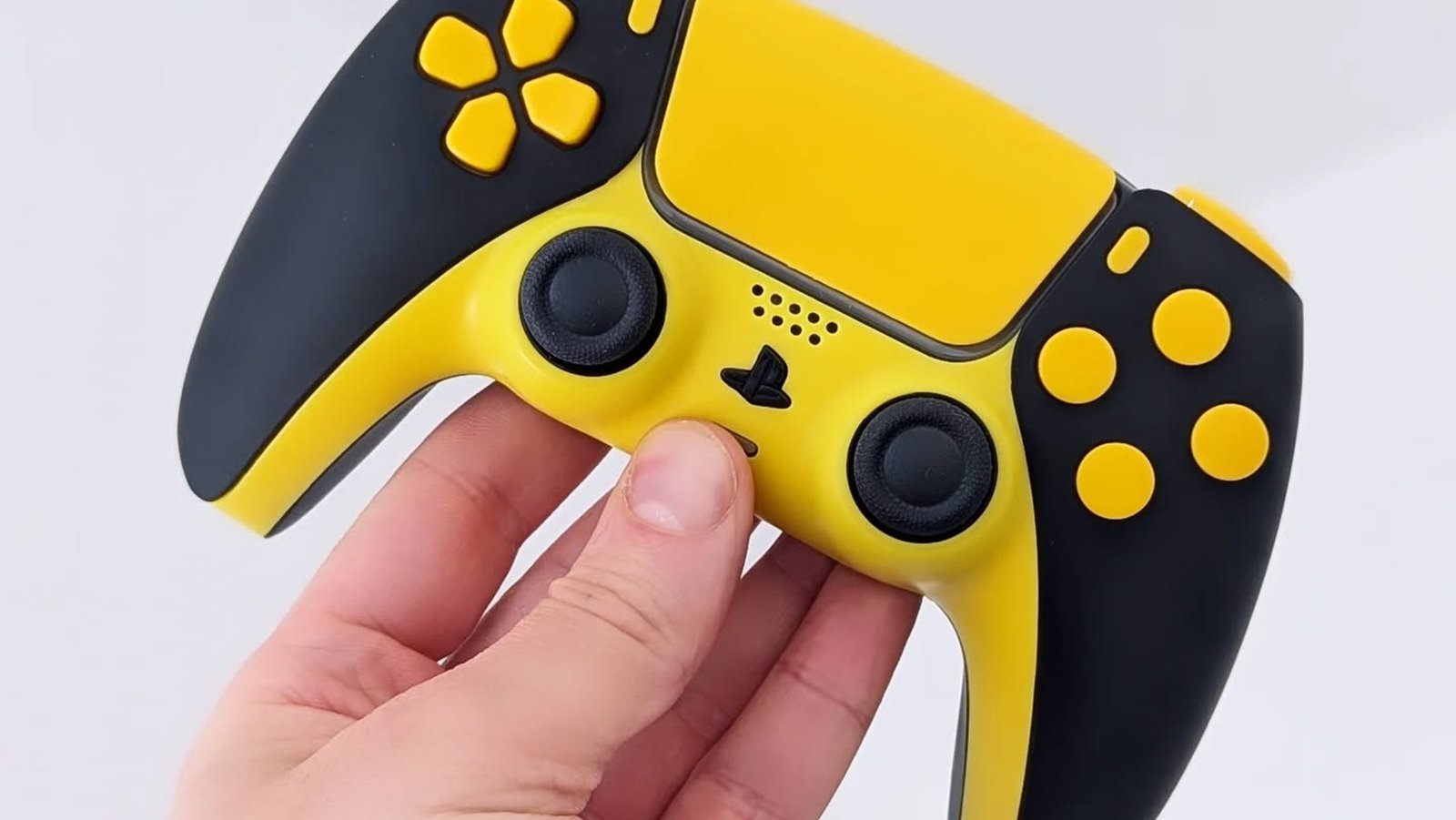
TMR joysticks address the single most common issue players face with long-term use.
Drift appears slowly, often without warning, and it affects every genre in ways both small and frustrating. When you remove the physical wear that causes it, the entire controller becomes more dependable. That is the heart of what makes TMR valuable.
The strength of TMR lies in how quietly it improves your experience. You won’t see large animations or dramatic features. What you get instead is consistency. The stick feels the same each day. Movements stay smooth. Fine adjustments remain predictable. Fast reactions stay crisp through long sessions. Over time, this steadiness becomes something you rely on without thinking about it.
So, instead of having to replace a controller every year, you extend its life significantly with TMR joysticks, allowing you to keep your setup familiar, save money, and maintain the aim feel you’ve already built your habits around.

The PS5 DualSense is one of the best controllers ever made. It has adaptive triggers, haptic feedback, a built-in speaker, a touchpad, and a comfortable

We know. We know. The latest Resident Evil game came out weeks ago (February 27, 2026), so our best PS5 controller settings for Resident Evil
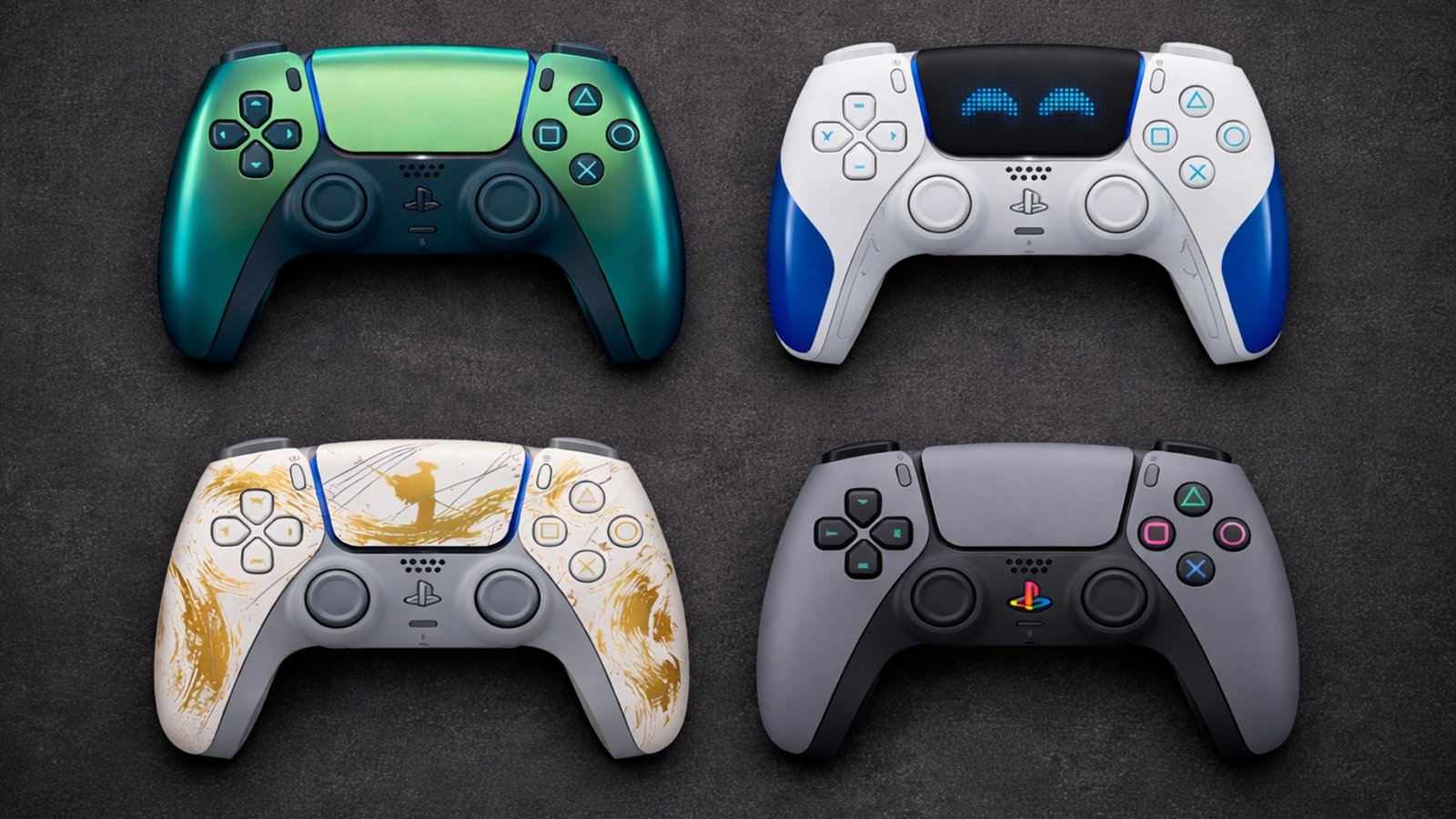
Sony has released over 30 limited edition PS5 DualSense controller colours and theemes the PS5 launched in November 2020. Some are genuinely stunning, but you
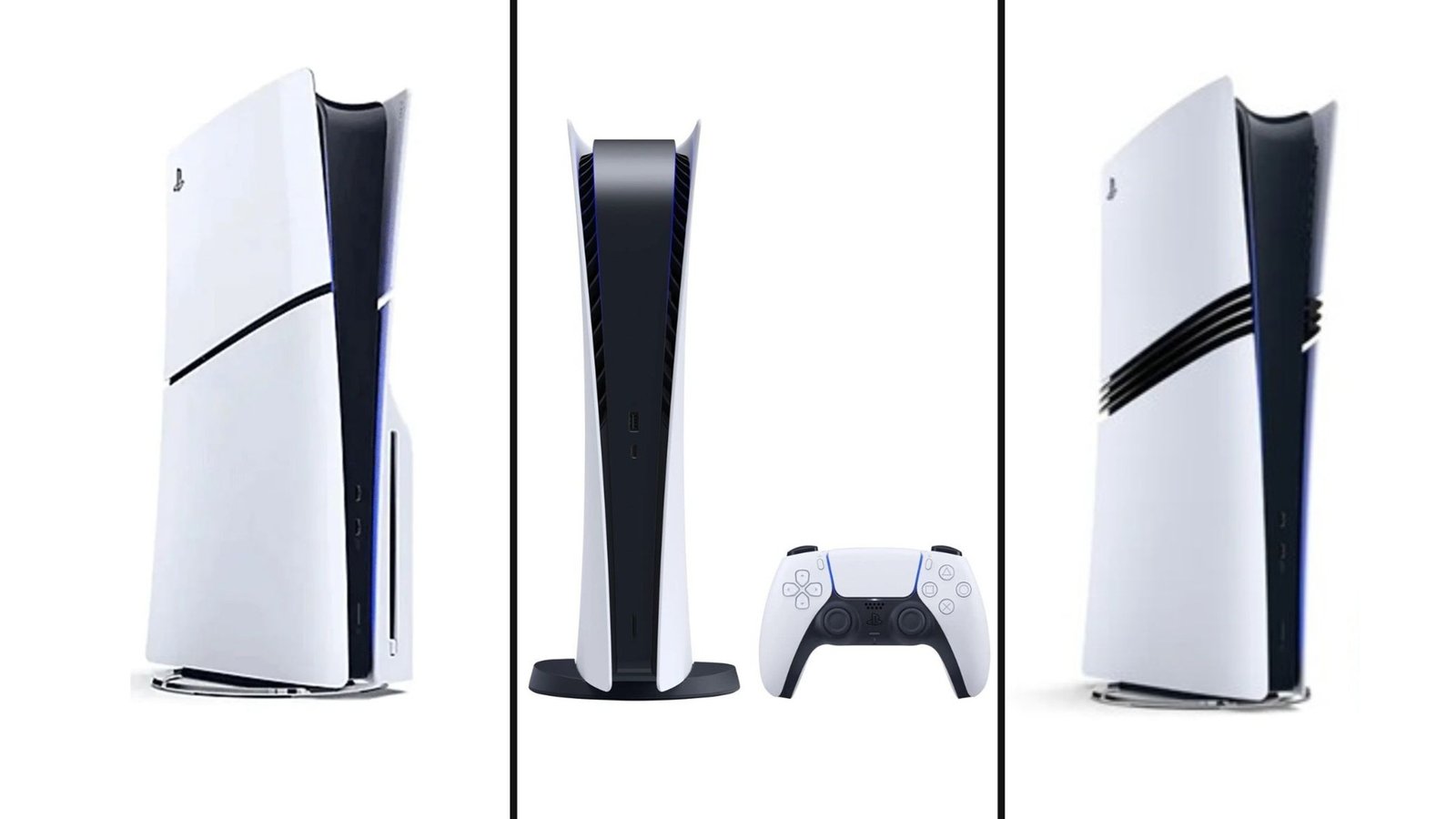
Not so fun fact: PS5 pricing has changed more in the last 18 months than in any previous PlayStation generation. What launched at $499 in
No comment yet, add your voice below!