
11 Games to Play While Waiting for Marvel’s Wolverine
The long wait is almost over. Insomniac Games’ R-rated take on everyone’s favorite grumpy mutant launches on September 15. Brutal and rage-driven, Marvel’s Wolverine is


If you’ve been holding off on wanting to buy a PS5 or Xbox, thinking prices might drop after the holidays, we’re here to tell you the unfortunate truth: They won’t. In fact, console prices are about to climb significantly higher, and January 2026 might just be your final window to buy before things get really expensive.
The global memory chip market is in chaos. OpenAI and other AI giants have essentially hoovered up a massive portion of the world’s RAM supply, leaving console manufacturers scrambling for components. Both Sony and Microsoft have already raised prices multiple times in 2025, and industry analysts are predicting another 20-30% increase by mid-2026. The stockpiles are running out, and if you want a next-gen console without paying premium crisis pricing, the clock is ticking.
Here’s what’s happening. OpenAI’s Stargate project—the infrastructure powering ChatGPT and their next-generation AI systems—signed deals with Samsung and SK Hynix for up to 900,000 DRAM wafers per month. That’s roughly 35-40% of the entire world’s DRAM production capacity going to a single project.
Samsung has responded by raising memory chip prices up to 60% since September 2025, prioritising high-margin AI customers over consumer products like gaming consoles and PCs. HBM (High Bandwidth Memory) chips—the specialised memory AI systems require—use approximately three times the wafer capacity of standard DDR5 per gigabyte. Every HBM chip Samsung and SK Hynix produce for AI is capacity that isn’t going toward your next PlayStation or Xbox.
The numbers are staggering. DDR5 spot prices have surged 307% since September 2025, according to TrendForce data. That 32GB DDR5 kit you could’ve bought for £85 in March? It’s now pushing past £300. GDDR6—the memory type actually used in consoles—faces identical supply constraints because it’s manufactured on the same production lines now being redirected toward AI.
The reality is that if you’ve been monitoring console prices, you’ve already watched this crisis unfold in real-time. Microsoft has raised Xbox prices twice in 2025, and Sony followed with their own increase.
Microsoft’s May 2025 increases saw the Xbox Series X jump from $499.99 to $599.99. The Series S climbed $80, and even the 2TB Galaxy Special Edition jumped $130. Then came October 2025, when Microsoft raised US prices again: the Series X hit $649.99, the Digital Edition reached $599.99, and the Series S landed at $399.99 for the base model.
That’s $150 more than you would’ve paid a year ago for the same Xbox Series X. Let that sink in.
Sony held out longer but ultimately couldn’t escape the pressure. In August 2025, the PS5 Standard jumped to $549.99, the Digital Edition hit $499.99, and even the PS5 Pro climbed to $749.99. UK and European gamers got hit earlier in April with £40-€50 increases on Digital Edition models.
When a single component consumes over a third of your production budget and its price triples in three months, something has to give. That something is retail pricing.
Here’s where things get genuinely concerning. The price increases you’ve seen so far? Those were calculated on stockpiled components purchased at pre-crisis prices. That buffer is about to disappear.
Industry forecasts indicate Q1 2026 component stockpile exhaustion across major manufacturers. When those cheaper inventory reserves run dry, production will rely entirely on current-market pricing—which means current-market pricing gets passed directly to consumers.
Some analysts predict peak pricing around mid-2026, with DDR contract prices potentially climbing another 35% in Q4 2025 and an additional 30% in Q1 2026.
SK Hynix has warned that commodity DRAM supply will remain tight until at least 2028. Their internal analysis, leaked in December 2025, indicates supplier inventories at “historically low levels” with new fabrication facilities not coming online until 2027-2028 at the earliest. The company has essentially sold out its entire DRAM, NAND, and HBM capacity through 2026.
Not all console manufacturers face equal vulnerability here, and the difference comes down to one thing: who planned ahead.
For what it’s worth, Sony stockpiled GDDR6 SDRAM when prices were low, giving them months of supply security. This foresight is why Sony could still offer competitive Black Friday 2025 discounts while Microsoft struggled. The company reportedly has sufficient GDDR6 reserves to weather the immediate crisis.
Consider that the the Xbox Series X has already jumped from $499 to $649 in 12 months. Another 50% increase would put it near $1,000. Given current trajectory, that’s not impossible by late 2026.
If you’re choosing between platforms and long-term pricing stability matters, the PS5 currently appears better insulated against immediate future increases.
Speaking of longevity: if you already own a PS5 or Xbox, investing in your current controller now could save you significant money down the road.
Standard controller analog sticks use potentiometers—physical contact components that degrade over time, causing the dreaded stick drift. Hall Effect and TMR analog upgrades use magnetic sensors with zero physical contact, eliminating the root cause of drift entirely.
Consider the economics. A PS5 stick drift repair with Hall Effect analog upgrade costs £29-33 and comes with a 12-month warranty. TMR analog upgrades—offering even higher precision—run £35. Compare that to buying a new DualSense at crisis-era pricing, which could easily hit £80-100 if current trends continue.
Professional repair services extend controller lifespan by years, not months. When controller prices follow console price trajectories upward, that £35 TMR upgrade starts looking like exceptional value. You’re future-proofing against both inevitable wear and unpredictable pricing.
If you’re experiencing drift issues now, the TCP stick drift repair service handles the complete process: full inspection, precision calibration, deep cleaning, and optional Hall Effect or TMR upgrade installation. For Xbox Series X controllers or Xbox Elite controllers, identical upgrades are available.
You can even prevent PS5 stick drift before it starts with proactive upgrades. If your controller works perfectly today, upgrading to magnetic analog sticks means it’ll keep working perfectly for years.
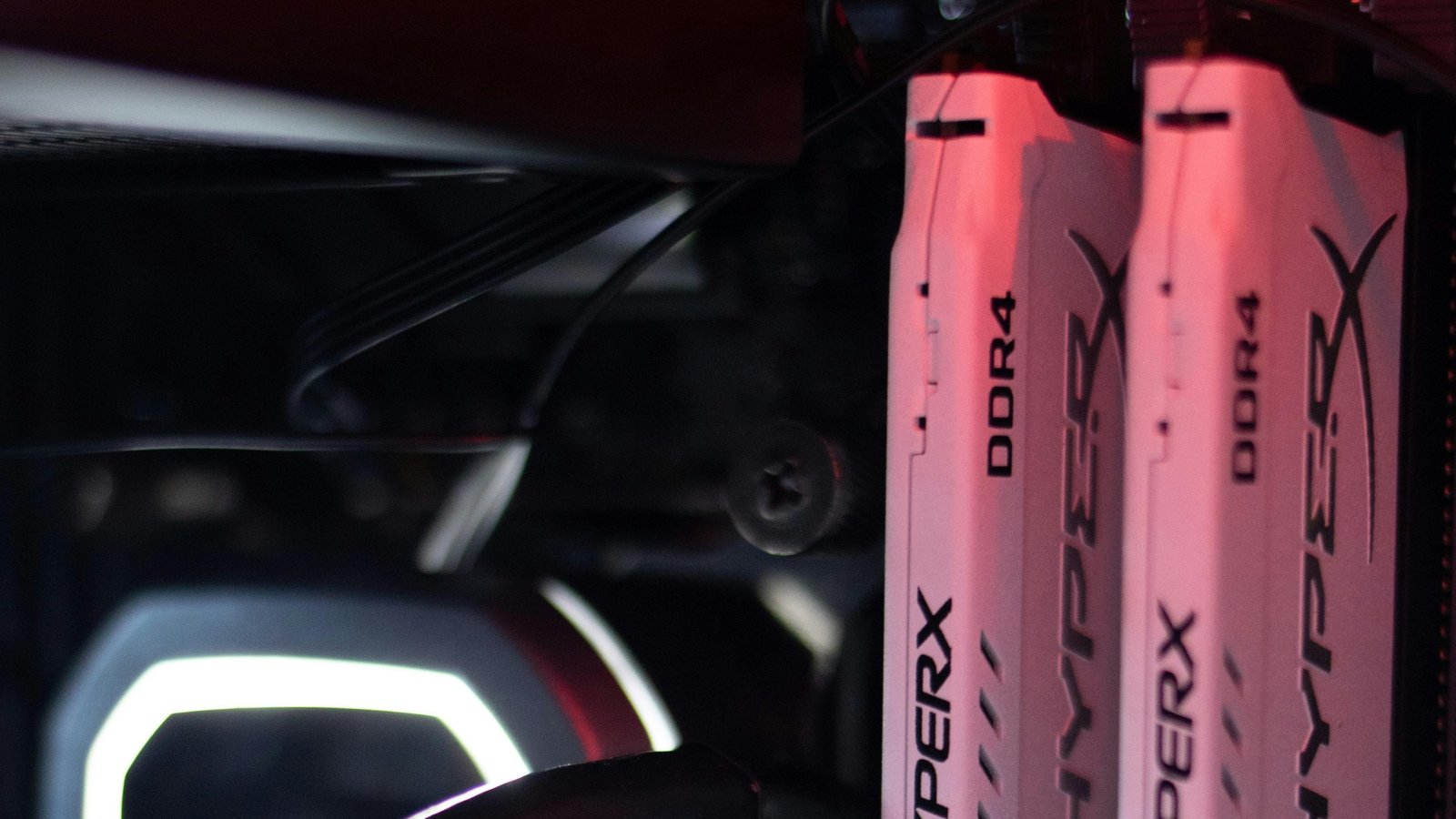
Current console production relies partially on component stockpiles purchased before the worst of the crisis. Those stockpiles deplete throughout Q1 2026. When they’re gone, every console manufactured uses components purchased at current—or future, higher—market rates.
The recent and ongoing Holiday and New Year sales are your final opportunity to buy at pre-exhaustion pricing. Retailers clearing 2025 inventory won’t have replacement stock at similar price points. Once those console units sell, the next shipment carries higher component costs baked into retail pricing.
Don’t wait for price drops that aren’t coming. If you’re planning to buy a PS5 or Xbox, controller upgrades, or gaming accessories, January 2026 is your window before the real price increases hit.
Whether you’re building a custom PS5 controller to your exact specifications, investing in a pro controller with ClickSticks and digital triggers, or simply upgrading your current controller’s analog sticks to eliminate future repair headaches, now is the best time to act.
The supply constraints aren’t resolving quickly, and hardware pricing in 2026 is going to look very different than what you’re seeing today.
Make your move while you still can.

The long wait is almost over. Insomniac Games’ R-rated take on everyone’s favorite grumpy mutant launches on September 15. Brutal and rage-driven, Marvel’s Wolverine is

Sony just gave Grand Theft Auto VI the kind of treatment it normally reserves for its own biggest exclusives. At the September 3 State of

For years, the running joke was that we would get Grand Theft Auto6 before we got a proper look at Marvel’s Wolverine. Well, both are

Phantom Blade Zero has been near the top of every action fan’s watchlist since it first showed up in 2023, and it finally arrives on
No comment yet, add your voice below!