
How to Use a PS5 Controller on PC: The Complete Guide for 2026
The PS5 DualSense is one of the best controllers ever made. It has adaptive triggers, haptic feedback, a built-in speaker, a touchpad, and a comfortable

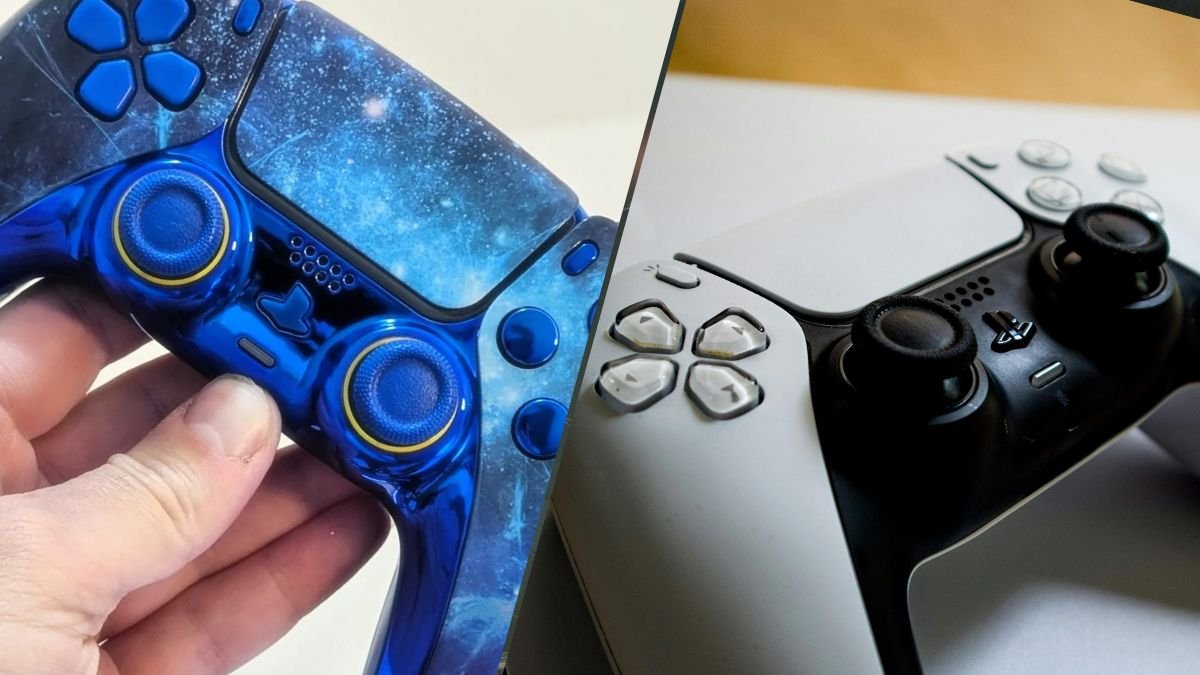
Let’s not waste your time. If you’re comparing a custom PS5 controller against Sony’s DualSense Edge, the custom build offers more value per pound for most gamers. More mods, more colour options, drift-proof stick technology, and a lower total cost of ownership over the life of your PS5. But does this mean the DualSense Edge is dull (pun intended) compared to what we have to offer? Definitely not!
The DualSense Edge has its genuine strengths. It features built-in controller profiles, Sony’s native firmware, and a replaceable stick module system that makes maintenance straightforward.
The problem is what the DualSense Edge doesn’t have. At £199.99, Sony’s premium controller still uses the same ALPS potentiometer sticks that drift, doesn’t offer digital triggers, comes in exactly one colour, and charges you £19.99 per replacement stick module when the inevitable happens.
Here’s the full, transparent comparison. Every feature, every price, every trade-off. This way, you can make the right choice between a custom PS5 controller and the DualSense Edge.
The DualSense Edge has one price: £199.99. That’s what it costs. No configuration, no options, no tiers. You get matte black with a braided USB cable, a carry case, two sets of back buttons (half-dome and lever), two swappable stick caps (standard and high-dome), and the controller itself.
A custom PS5 controller from TCP, on the other hand, scales to your budget and your needs. The 16-step PS5 custom controller builder starts at £65 for a design-only build and climbs to roughly £190–£200 for a fully loaded build with every performance mod TCP offers.
This is where the comparison of the custom PS5 controller vs. DualSense Edge gets specific. Each feature matters differently depending on how you play, so we’ve broken it down, including where the Edge wins.
| Feature | DualSense Edge (£199.99) | TCP Custom (£65–£190) |
| Back Buttons | 2 rear paddles (half-dome or lever) | 2 ClickSticks (low-profile mechanical click) |
| Stick Technology | ALPS potentiometer (contact-based, will drift) | Hall Effect or TMR (magnetic, drift-proof) |
| Triggers | Adjustable trigger stops (2 positions + full) | Digital triggers (instant mouse-click actuation) |
| Thumbstick Swapping | Replaceable stick modules (£19.99/pair), 2 cap styles | IAS plug-in system (4 heights, tool-free, included) |
| On-Board Profiles | Multiple profiles via Fn button + UI | No on-board profiles |
| Aesthetics | Matte black only | Dozens of shells (chrome, matte, patterned, custom) |
| Weight | 325g | 280g (Pro) / 171g (Ultimate, vibration removed) |
| Battery Life | ~5–6 hours (widely reported short life) | Standard DualSense battery (~12 hours, longer with vibration removed) |
| Firmware / Software | Native Sony firmware, full PS5 integration | Native Sony firmware (built on genuine DualSense) |
| Warranty | Sony standard (typically 1 year) | 3 months base, 6 months (Pro), 1 year (TMR sticks) |
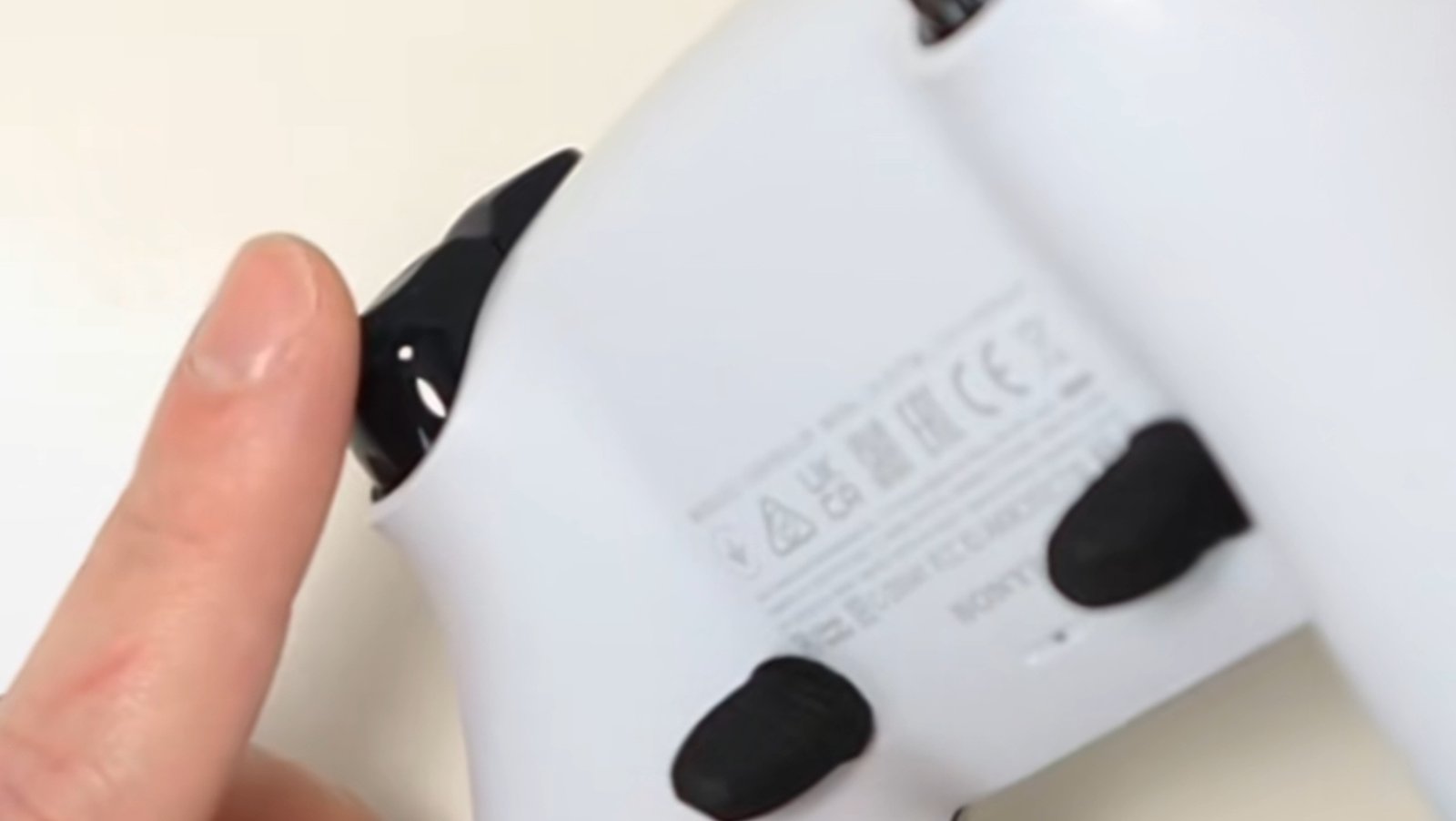
Both controllers give you two rear inputs. The Edge ships with two sets of interchangeable back buttons that snap onto the rear via magnetic attachment. They’re well-made and easy to swap. TCP’s ClickSticks take a different approach. They’re low-profile studs built directly into the back shell with a tactile mechanical keypress feel, resulting in shorter travel, an audible click, and zero wobble. You remap them by holding the desired face button plus the ClickStick for 15–20 seconds. No app needed.
The practical difference is ergonomics. The Edge’s paddles protrude further from the body, which can cause accidental presses during intense sessions. ClickSticks sit flush with the shell. You have to be intentional about pressing them. In competitive play, accidental inputs cost rounds. That difference matters.
Edge advantage: Magnetic hot-swapping between paddle styles.
TCP advantage: Lower accidental press rate, mechanical tactile feel, no protrusion.
This is where the comparison stops being close.
The DualSense Edge uses standard ALPS potentiometer analogue sticks. These are the same contact-based sensors found in the £64.99 DualSense. A physical wiper rubs against a resistive surface with every stick movement. Over time that surface wears down and the sensor begins reading phantom inputs. That’s stick drift.
Sony’s answer is replaceable stick modules at £19.99 per pair. You pop the old module out, click a new one in, and you’re back to zero drift. It’s a practical solution, but it’s also an admission that the sticks will fail.
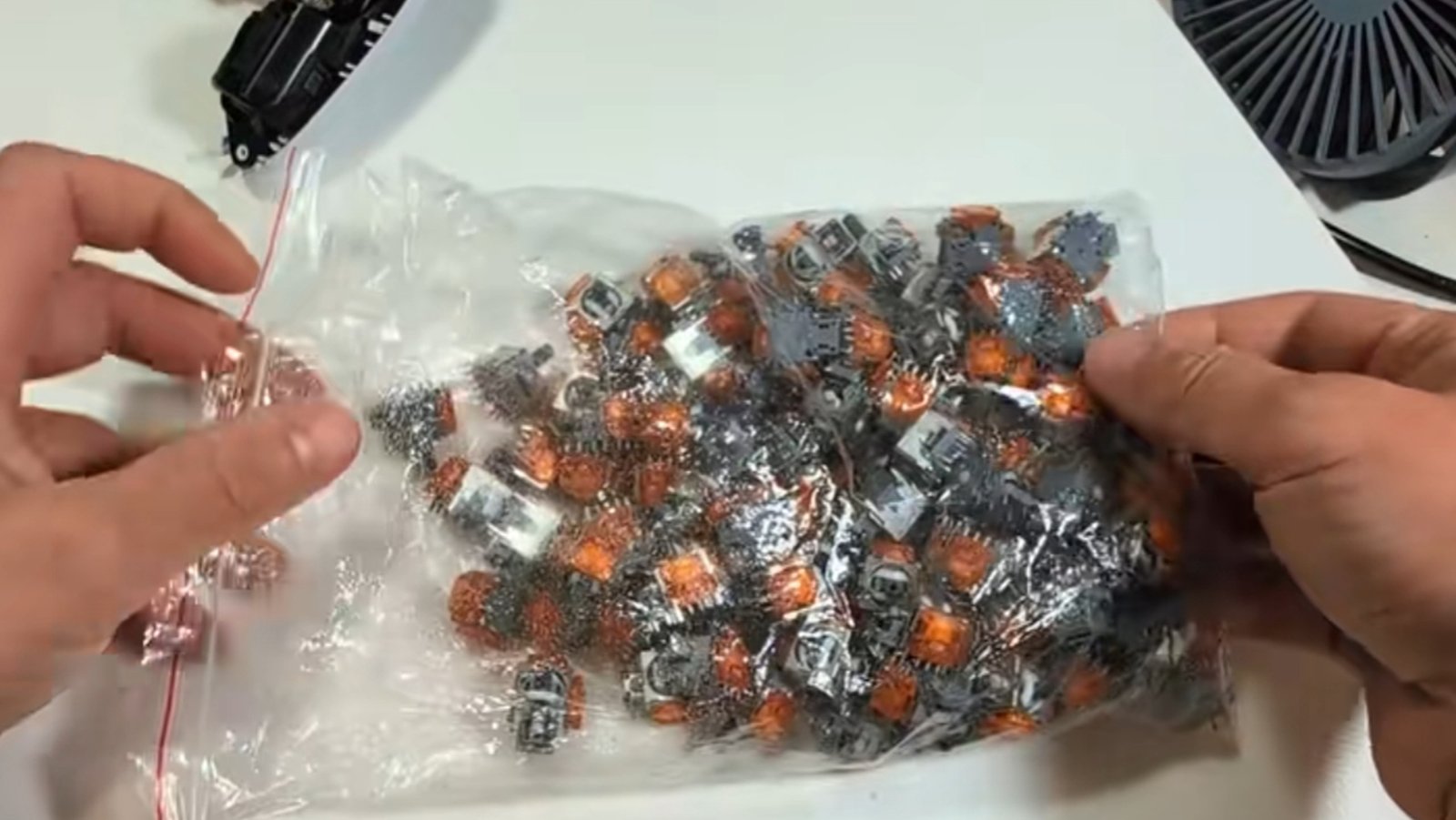
TCP custom controllers offer Hall Effect or TMR joysticks. Both use sensors that reads the position of a magnet inside the stick module without any physical contact between components. No friction, no wear, no drift. The physics simply don’t allow it.
TMR (Tunnel Magnetoresistance) is the newer and more advanced of the two. It delivers approximately 3,000 resolution points per axis while consuming 98% less power. It holds calibration longer, requires less recalibration over time, and carries a 1-year warranty from TCP.For the full technical comparison between sensor types, our Hall Effect vs TMR analogue stick guide breaks it down in detail.
At £199.99, the DualSense Edge’s continued reliance on ALPS potentiometers is its single biggest weakness. A custom PS5 controller with TMR sticks at £190 solves the problem entirely at a lower price.
The Edge offers adjustable trigger stops, which is a physical switch on each trigger hat limits how far it pulls. You get three positions: full travel (for games that use adaptive triggers), a shortened pull, and a minimal pull. It’s a nice quality-of-life feature, especially for players who switch between FPS titles and single-player games that benefit from full adaptive trigger feedback.
TCP’s digital triggers go further. They replace the entire analogue trigger mechanism with a mouse-click-style digital switch. Press and it fires. No travel, no dead zone, no delay. The input registers in single-digit milliseconds rather than the 70–120ms of a full analogue pull.
The trade-off is clear. Digital triggers disable adaptive trigger functionality completely. If those experiences are important to you, the Edge’s adjustable stops are the better choice. But if you play competitive FPS a lot, digital triggers are the objectively faster option.
Every millisecond of trigger travel is a millisecond your opponent doesn’t have to waste.
Both controllers offer interchangeable thumbstick options, but the systems aren’t the same.
The Edge ships with two sets of caps that snap onto the stick modules. If you want to change the entire stick module (because of drift, or to reset calibration), you slide open the faceplate and click a new module in. It’s elegant. But the modules are £19.99 per pair and still use ALPS potentiometers.
TCP’s IAS (Interchangeable Analogue System) uses a plug-in, pull-out mechanism. You pull the thumbstick straight up and push a new one in. The system includes four height options from 9mm to 12mm, and every stick is included with the controller. Tall right stick for precision aiming, short left stick for fast movement inputs. Swap takes about two seconds.
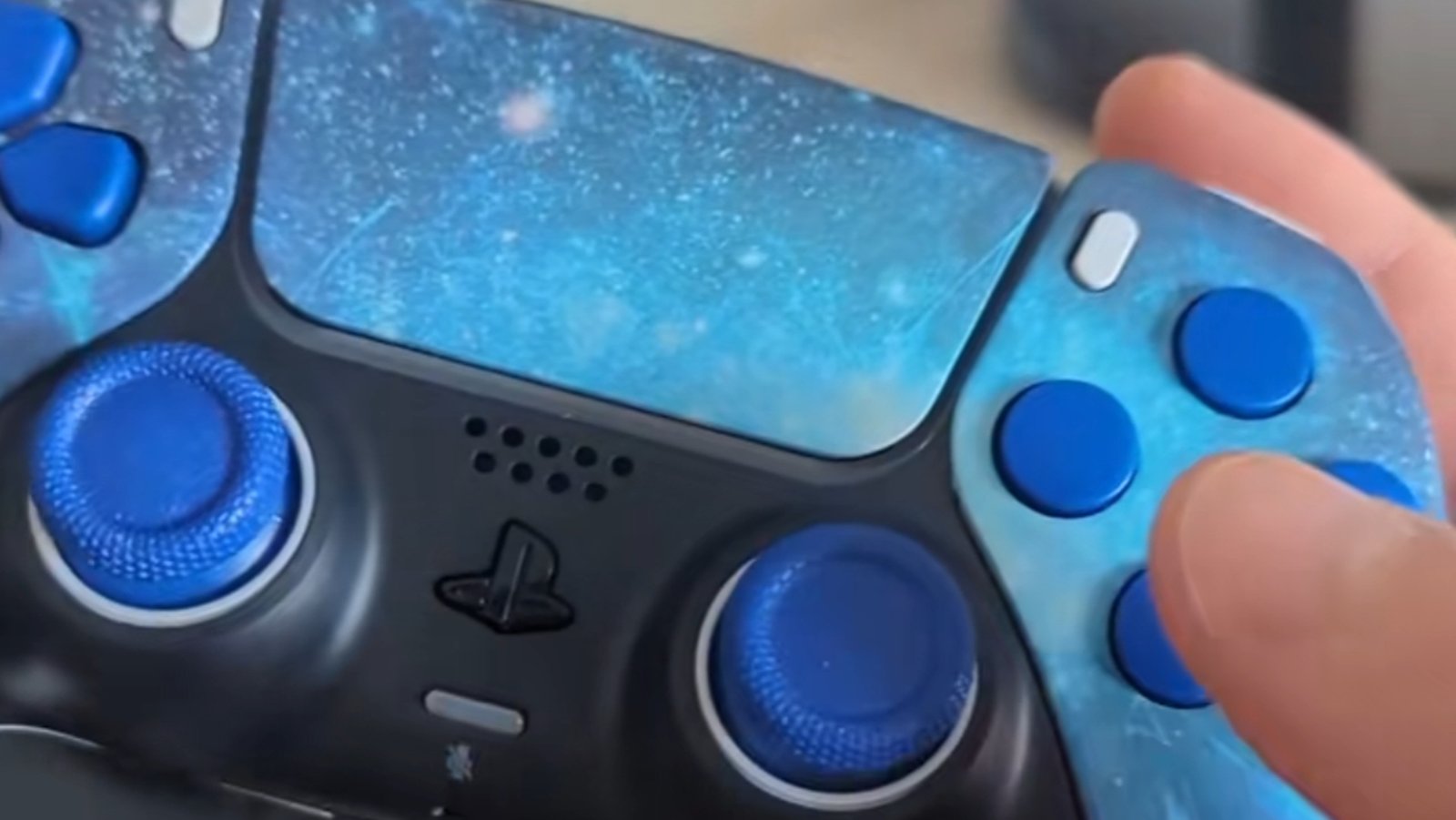
The DualSense Edge comes in matte black. That’s it. Sony has not released additional colour variants since launch. If you want an Edge, you’re getting a black controller.TCP’s custom PS5 controllers offer dozens of shell options across chrome, matte, and patterned finishes. Every button, touchpad, and back shell colour is selectable independently.
For content creators, streamers, or anyone who considers their setup part of their identity, full colour customisation is a significant feature the Edge simply doesn’t offer.
Credit where it’s due. The DualSense Edge’s built-in profile system is a genuine advantage. You can save multiple configurations and switch between them mid-game using the Fn button. The PlayStation UI lets you fine-tune every parameter. It’s clean, native, and well-integrated.
TCP’s custom controllers don’t have an equivalent on-board profile system. ClickSticks are remapped manually (hold button + ClickStick), and trigger/stick behaviour is determined by the hardware installed. You choose your configuration when you build the controller, and that’s your setup.
For players who switch between multiple games with radically different control schemes, the Edge’s profile switching is a real convenience. If you primarily play one genre, it’s less relevant.
The DualSense Edge weighs 325g and has widely reported battery life of approximately 5–6 hours. That’s noticeably shorter than the standard DualSense’s roughly 12 hours, and it’s been one of the most consistent complaints since launch. The shorter battery is partly due to the additional electronics powering the profile system and modular connections.
A TCP Pro controller weighs 280g with standard DualSense battery life. The TCP Ultimate, with vibration motors and adaptive trigger motors removed, drops to just 171g, which is roughly half the weight of the Edge. Lighter controllers reduce hand fatigue during long sessions. The battery life also extends significantly without vibration drawing power.
Specs tell part of the story. How each controller performs in actual gameplay tells the rest.
Winner: TCP custom. Digital triggers shave 70–120ms off every shot. ClickSticks keep your thumbs on the sticks during jump, slide, and melee. TMR joysticks deliver 10× the aim resolution of the Edge’s ALPS sticks. Every hardware advantage compounds in fast-twitch scenarios. The Edge’s profile switching is useful but secondary to raw input speed.
For a deeper look at building the ideal competitive setup, our best PS5 FPS controller setup guide covers the full configuration.
Winner: Edge (slight). RPGs benefit from adaptive trigger feedback. TCP’s digital triggers sacrifice this for speed, which matters less in single-player titles. That said, a TCP custom build with standard triggers (no digital trigger mod) plus ClickSticks and TMR sticks gives you adaptive feedback and drift-proof longevity. You don’t have to choose digital triggers.
Winner: TCP custom. Digital triggers provide frame-perfect input registration for special move timing. The individual D-pad upgrade eliminates accidental diagonal inputs — critical for fighting games where up-right when you wanted right costs a round. The Edge’s standard D-pad doesn’t separate directional inputs.
Winner: TCP custom (on value). If you’re a casual player, the Edge’s features are overkill at £199.99. A TCP aesthetic build from £65–£95 gives you a personalised controller with full Sony firmware for a fraction of the price. A TCP Pro at £135–£140 adds enough performance upgrades to cover every casual and competitive need without Edge pricing.
We covered this in the feature comparison, but it warrants its own section because it’s the single most important factor in this decision.
The DualSense Edge costs £199.99 and its analogue sticks will drift. That is not speculation. The ALPS potentiometer mechanism has a documented wear curve. Every Edge user is on the same countdown as every standard DualSense user. Those replacement modules are £19.99 per pair. If you replace them once a year, that’s an additional £40–£60 over the life of the controller. The Edge’s true cost of ownership is closer to £240–£260.
A TCP custom build with TMR sticks costs £190. It will never drift. There are no replacement modules to buy because there is no wear mechanism to fail. The sensor reads position through magnetic fields. No contact, no friction, no degradation. That’s the total cost. £190, once.
Over three to four years of PS5 ownership, the custom controller is the cheaper option. Over five years, it’s not even close.
For the full breakdown of why potentiometer sticks fail and how magnetic alternatives work, our PS5 controller stick drift explainer covers the engineering in detail.
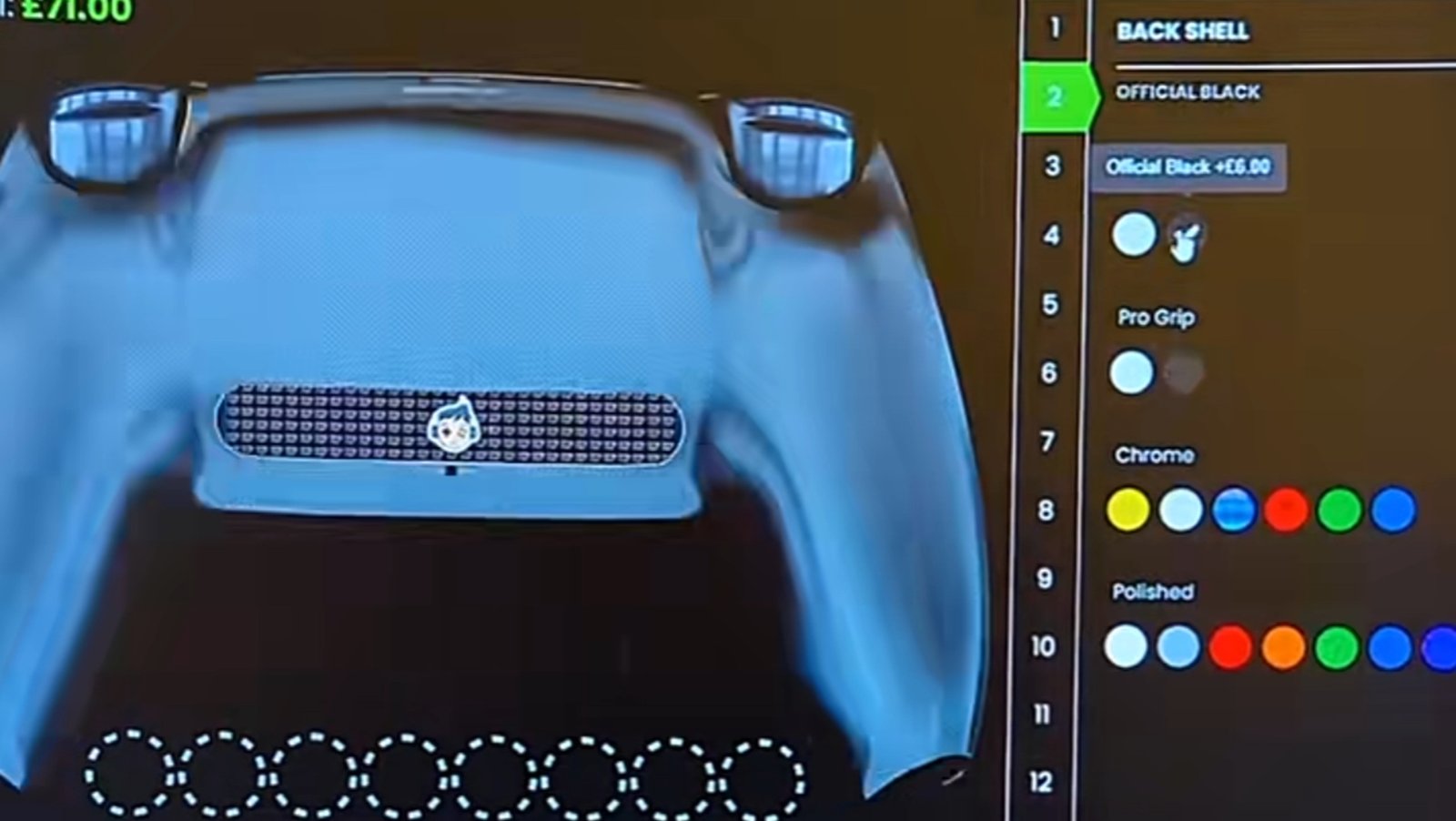
The TCP custom PS5 controller builder takes you through 16 steps from blank DualSense to your exact specification. Pick the shell, pick the mods, see the price as you build. Free UK shipping. Free worldwide shipping on orders over £120. 14-day money-back guarantee.
If the TCP Pro’s £135–£140 price point catches your eye, check the TCP Pro PS5 controller page for the full spec sheet.
If you want everything, the TCP Ultimate is the one for you.
The DualSense Edge is a good controller. At this price, a custom PS5 controller is a better one.
So, what are you waiting for?

The PS5 DualSense is one of the best controllers ever made. It has adaptive triggers, haptic feedback, a built-in speaker, a touchpad, and a comfortable

We know. We know. The latest Resident Evil game came out weeks ago (February 27, 2026), so our best PS5 controller settings for Resident Evil
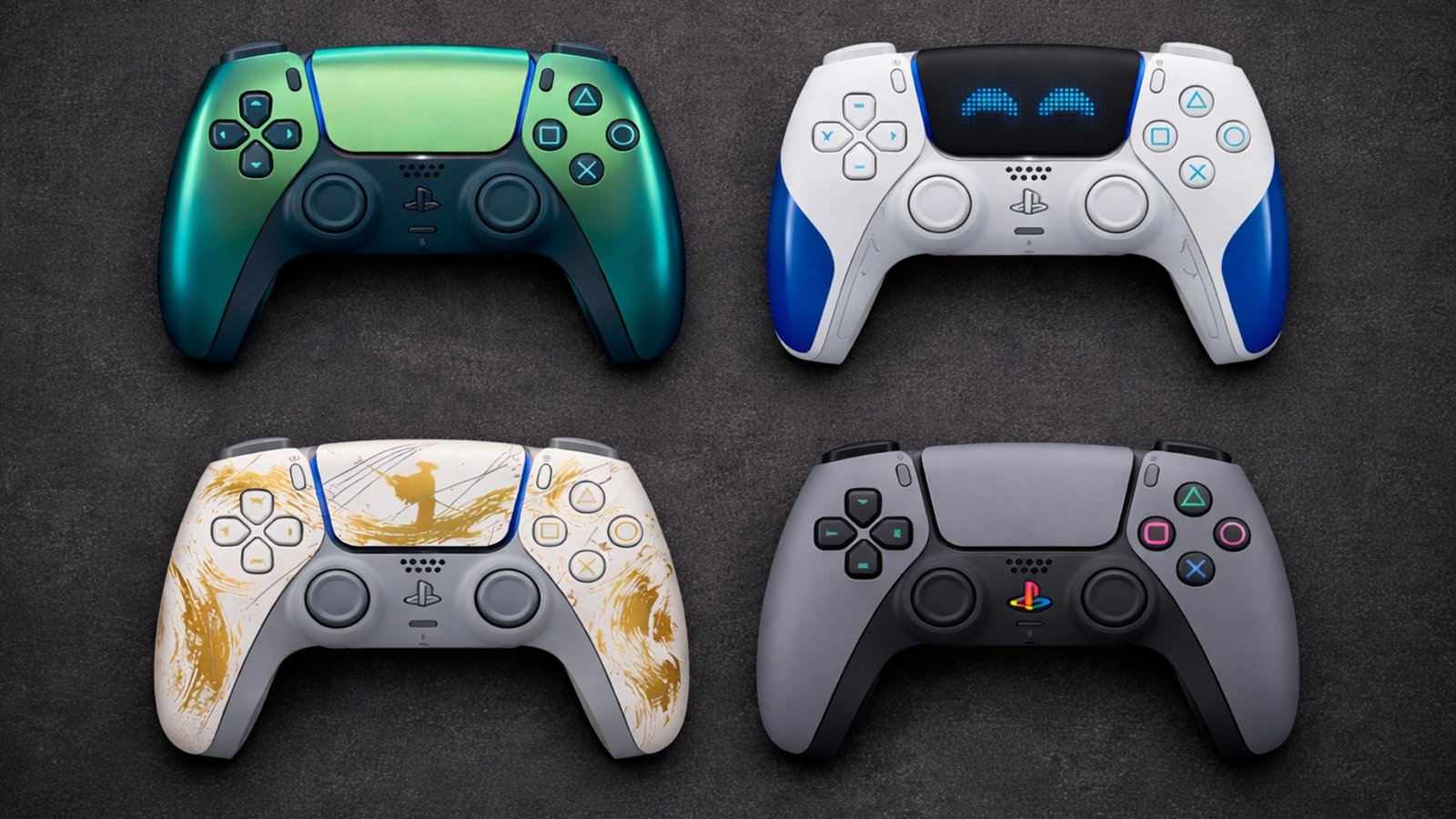
Sony has released over 30 limited edition PS5 DualSense controller colours and theemes the PS5 launched in November 2020. Some are genuinely stunning, but you
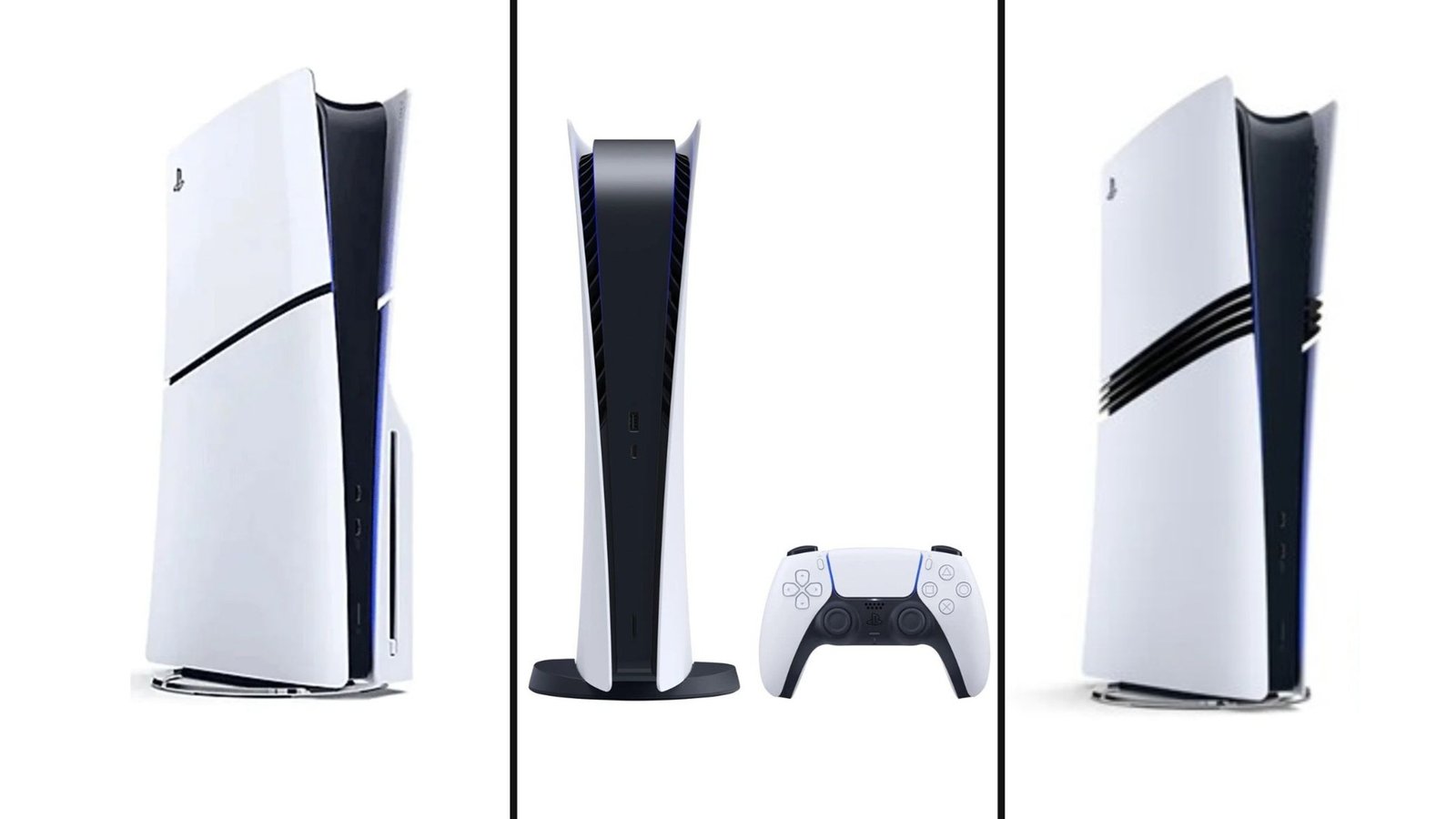
Not so fun fact: PS5 pricing has changed more in the last 18 months than in any previous PlayStation generation. What launched at $499 in
No comment yet, add your voice below!