11 Games to Play While Waiting for Marvel’s Wolverine
The long wait is almost over. Insomniac Games’ R-rated take on everyone’s favorite grumpy mutant launches on September 15. Brutal and rage-driven, Marvel’s Wolverine is


If you’ve ever watched a Call of Duty League match and wondered why those players seem to react faster than humanly possible, it isn’t always talent. Tournament-legal controller mods give pros a genuine edge without crossing the line into cheating. The best part? Everything they use is available to you, too.
Whether you’re grinding ranked matches or just tired of losing gunfights you should’ve won, understanding what tournament-legal controller mods pros actually rely on—and which ones will get you disqualified—can transform your competitive gaming experience.
Here’s where things get murky for many players, especially since there isn’t a universal ruleset that organizers seem to follow. Some allow certain mods, while others don’t. Not to mention, you’ve probably seen YouTube videos advertising “mod menus” and rapid-fire controllers that promise instant improvement that are supposedly used by pros. But the truth is, those types of mods are banned everywhere. However, hardware modifications that enhance your physical ability to play are completely legal.
The distinction is straightforward: hardware mods help you execute your intentions faster, while software exploits execute actions you didn’t input. Back buttons that let you jump while aiming, which is something your thumbs physically couldn’t do before, or a macro that fires 20 shots from one trigger pull, are examples of automation and are banned across every major esports organization.
Platform manufacturers like Sony and Microsoft maintain similar policies. Cosmetic changes and ergonomic upgrades get the green light. Scripts, macros, and third-party devices will get your account flagged or your tournament entry rejected.
This is why we focus on skill-enhancing tournament-legal controller mods. Digital triggers, ClickSticks, and adjustable thumbsticks make you better at executing what your brain already knows to do. They don’t play the game for you.
Think about what happens when you need to jump into a gunfight. Your right thumb leaves the aim stick, hits the button, then returns to aiming. That half-second gap? It’s enough to lose the engagement.
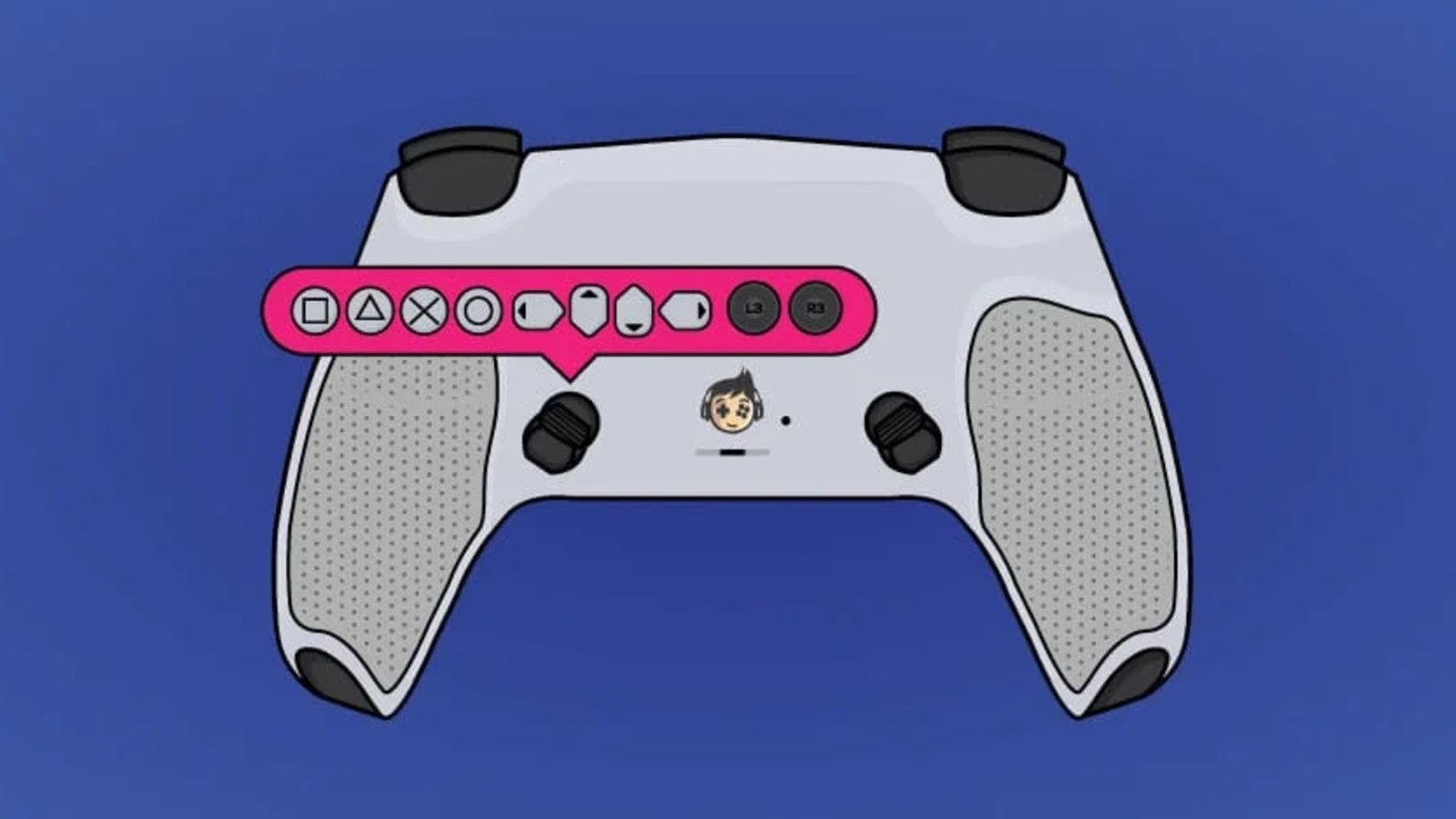
Back buttons eliminate this problem entirely. Pros map jump, slide, crouch, and reload to rear inputs so their thumbs never leave the sticks. Maintaining thumbstick contact during movement actions is the single biggest mechanical advantage you can gain without changing your actual skill level. It’s why virtually every competitive player who doesn’t use a claw grip runs paddles or back buttons.
Not all back button systems work the same way. Traditional paddles—like what you find on SCUF controllers—extend from the back and require noticeable travel before activation. They work, but accidental presses happen more than you’d like.
TCP’s ClickSticks take a different approach. These are small, tactile buttons positioned exactly where your fingers naturally rest. The activation force is minimal but deliberate, reducing accidental inputs by making the buttons smaller and requiring intentional pressure rather than incidental contact.
Stock button layouts weren’t designed for competitive gaming. They were designed for casual comfort. Remappable back buttons let you create game-specific configurations that match your playstyle.
For shooters, most pros map jump and slide to back buttons. Fighting game players might prioritize dash or throw. Racing enthusiasts often use paddles for gear shifting. The TCP ClickSticks system supports remapping to face buttons and D-pad directions. Just hold the button for 15-20 seconds, and you’re set.
Standard DualSense triggers have roughly 8mm of travel before they register a full press. That travel time adds latency to every shot, every aim-down-sights action, every tactical you throw. For casual gaming, it’s fine. For competitive FPS? It’s a handicap.
Digital triggers convert that analog travel into instant mouse-click inputs. Press down 1.5mm, and you’re firing. There’s no dead zone, no variation, no “almost-registered” inputs. When you need to spam a semi-auto rifle or react to an enemy appearing on screen, that millisecond advantage compounds across an entire match.
What if you still need some analog control but want faster activation? Trigger stops mechanically limit how far the trigger can travel. You get faster engagement than stock triggers while maintaining the analog input racing games and some shooters require.
The trade-off is less extreme speed. Trigger stops reduce travel by maybe 50%, while digital triggers eliminate it entirely.
Digital triggers work best for: Call of Duty, Warzone, Battlefield, Apex Legends, Fortnite—any game where shooting is binary. You’re either firing, or you’re not.
Trigger stops work best for: Games requiring occasional analog input, like driving sections in shooters or precise movement control.
Keep analog triggers for: Racing games exclusively. Gran Turismo and Forza require throttle modulation that digital triggers completely eliminate.
If you’re building a dedicated FPS controller, go digital. If it’s your only controller and you play multiple genres, consider stops instead.
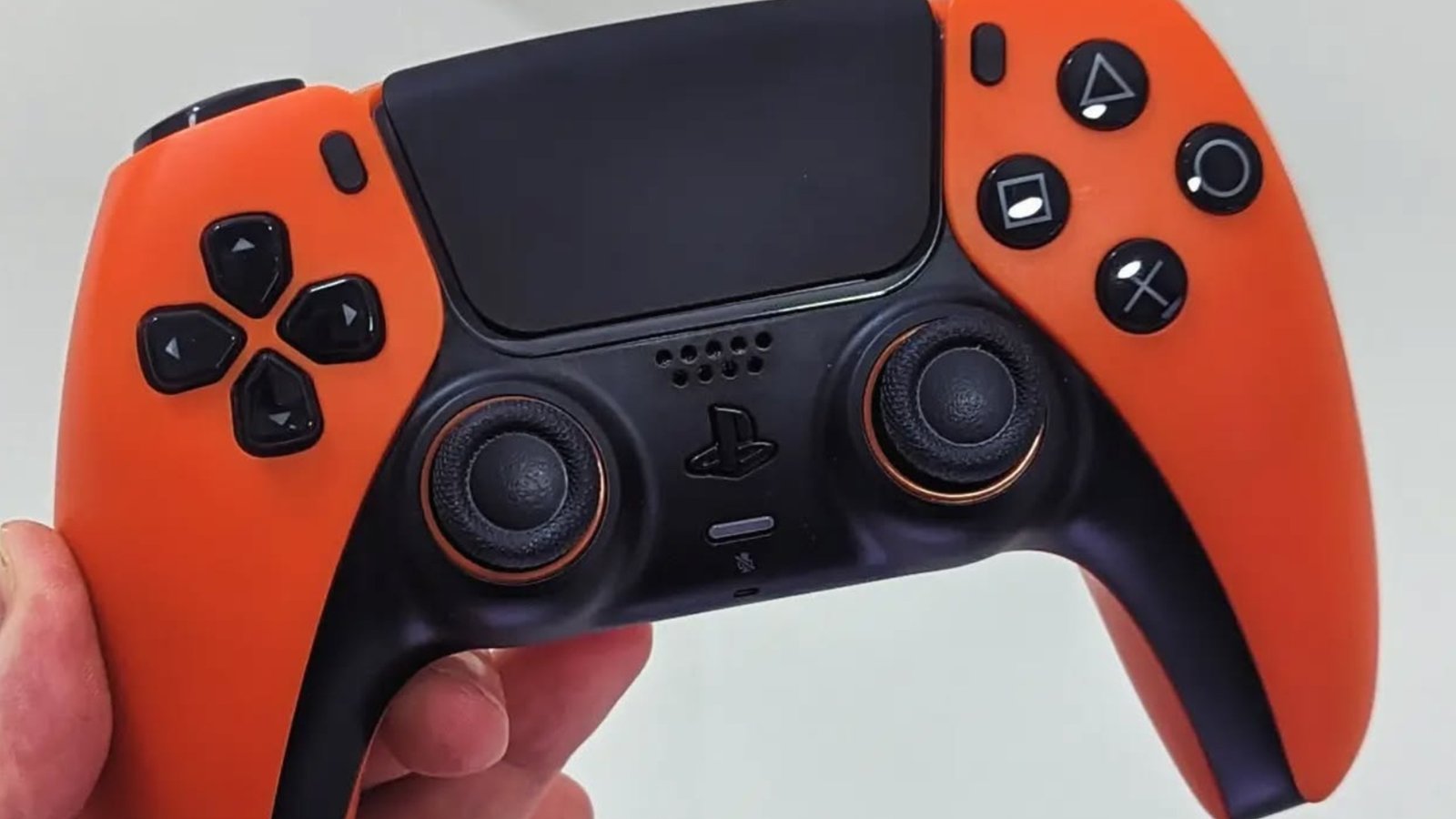
Thumbstick height directly impacts aim precision. Taller sticks provide finer control, translating into smoother tracking and easier micro-adjustments from a distance. Shorter sticks snap between targets faster, which benefits close-range aggressive playstyles.
The problem? Most controllers lock you into one height. The I.A.S (Interchangeable Analogue System) solves this with plug-and-pull thumbsticks.
The ability to customize on the fly based on weapon loadout or game mode is genuinely useful for players serious about optimizing their loadout.
Nothing ruins a tournament run faster than stick drift appearing during a crucial round. Standard potentiometer sticks degrade through friction. Eventually, it wears down.
Hall Effect and TMR sticks use magnetic sensors instead. No physical contact means no wear, which means no drift developing after 500 hours of play. TMR technology offers approximately 3,000 resolution points per axis—roughly 10x more precision than Hall Effect alternatives.
For players investing in a competitive setup, drift-proof sticks are worth the premium.
Ever tried a DualSense without rumble motors? It sounds extreme at first, but those two small motors add significant mass. Removing them cuts approximately 60g from the controller’s weight. More importantly, it eliminates vibration that can throw off precision aiming during intense moments.
There’s a reason competitive players universally disable rumble in settings. Removing the motors entirely takes this further: no weight, no distraction, and noticeably longer battery life.
| Feature | Stock DualSense | TCP Pro | TCP Ultimate |
|---|---|---|---|
| Price | £60 | £135 | £165 |
| Back Buttons | None | ClickSticks | ClickSticks |
| Trigger Type | Analog | Digital | Digital |
| Anti-Drift Tech | None | Standard | Optional TMR |
| Stick System | Fixed | I.A.S | I.A.S |
| Weight | ~280g | ~280g | 171g |
| Grip | Standard | Standard | High-Grade |
| Competitive Ready | No | Yes | Tournament-Optimized |
The TCP Pro delivers the essential competitive mods at a mid-range price point. The Custom Controller Builder lets you configure exactly what you need if you want something between these options.
Tournament-legal controller mods won’t make you a pro overnight. But they remove the mechanical barriers that stock controllers create. When your hardware responds as fast as your brain, you’ll hit shots you previously missed and survive fights that used to end in frustration.
Pros use these modifications because they work. Back buttons, digital triggers, drift-proof sticks, and optimized weight aren’t gimmicks. If anything, they’re competitive standards.
If you’re serious about improving, invest in tournament-legal controller mods.

The long wait is almost over. Insomniac Games’ R-rated take on everyone’s favorite grumpy mutant launches on September 15. Brutal and rage-driven, Marvel’s Wolverine is
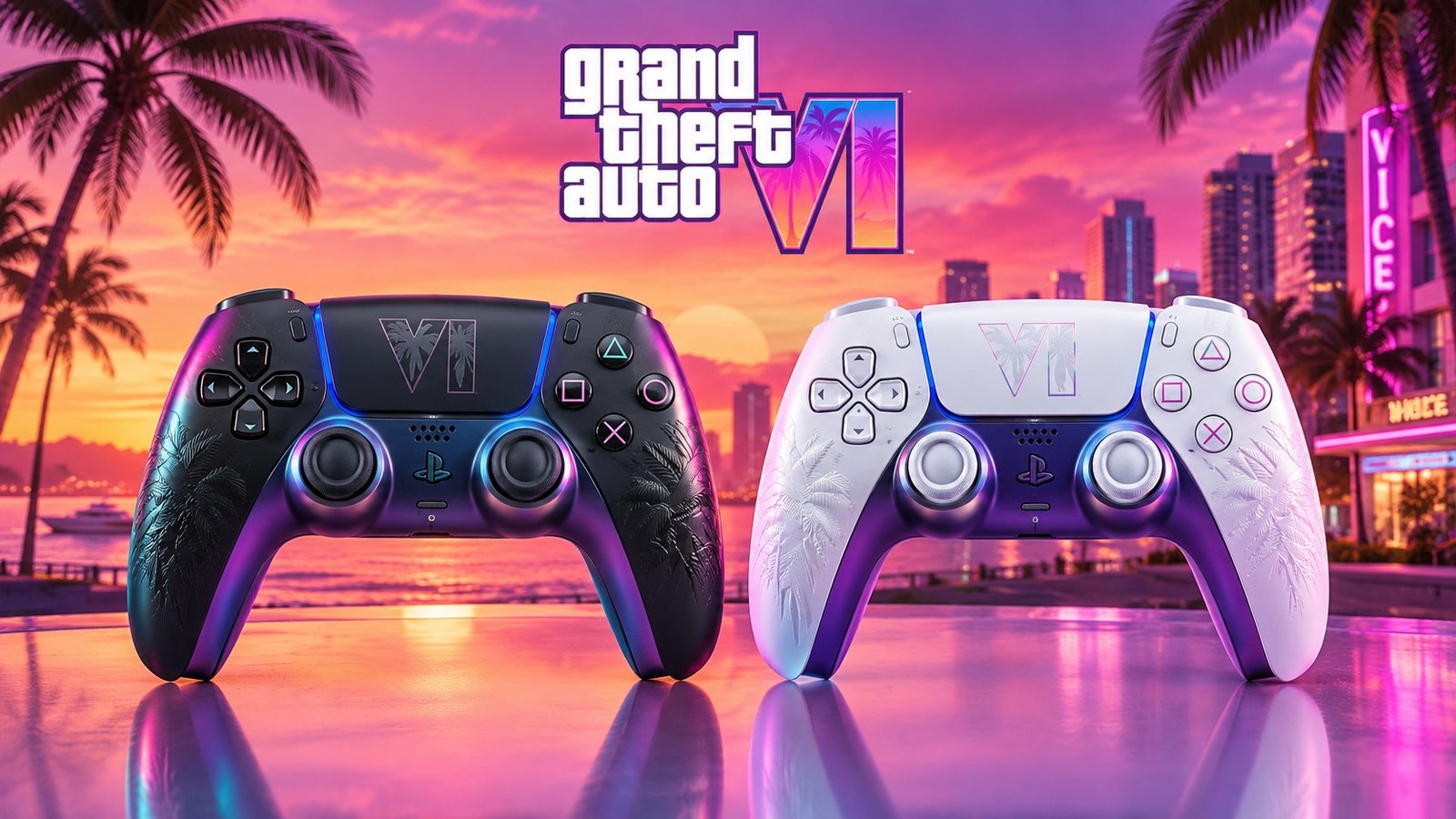
Sony just gave Grand Theft Auto VI the kind of treatment it normally reserves for its own biggest exclusives. At the September 3 State of
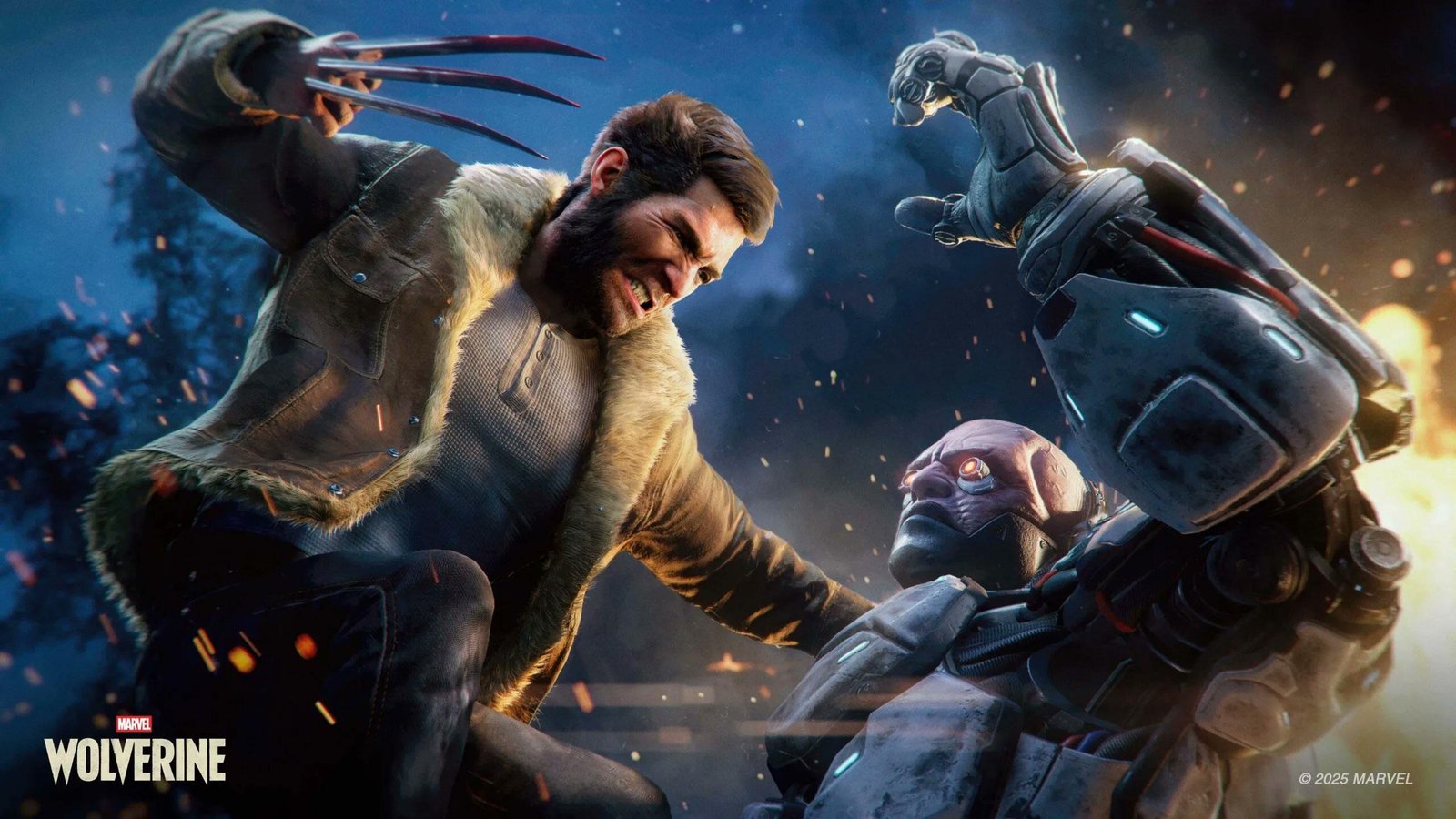
For years, the running joke was that we would get Grand Theft Auto6 before we got a proper look at Marvel’s Wolverine. Well, both are
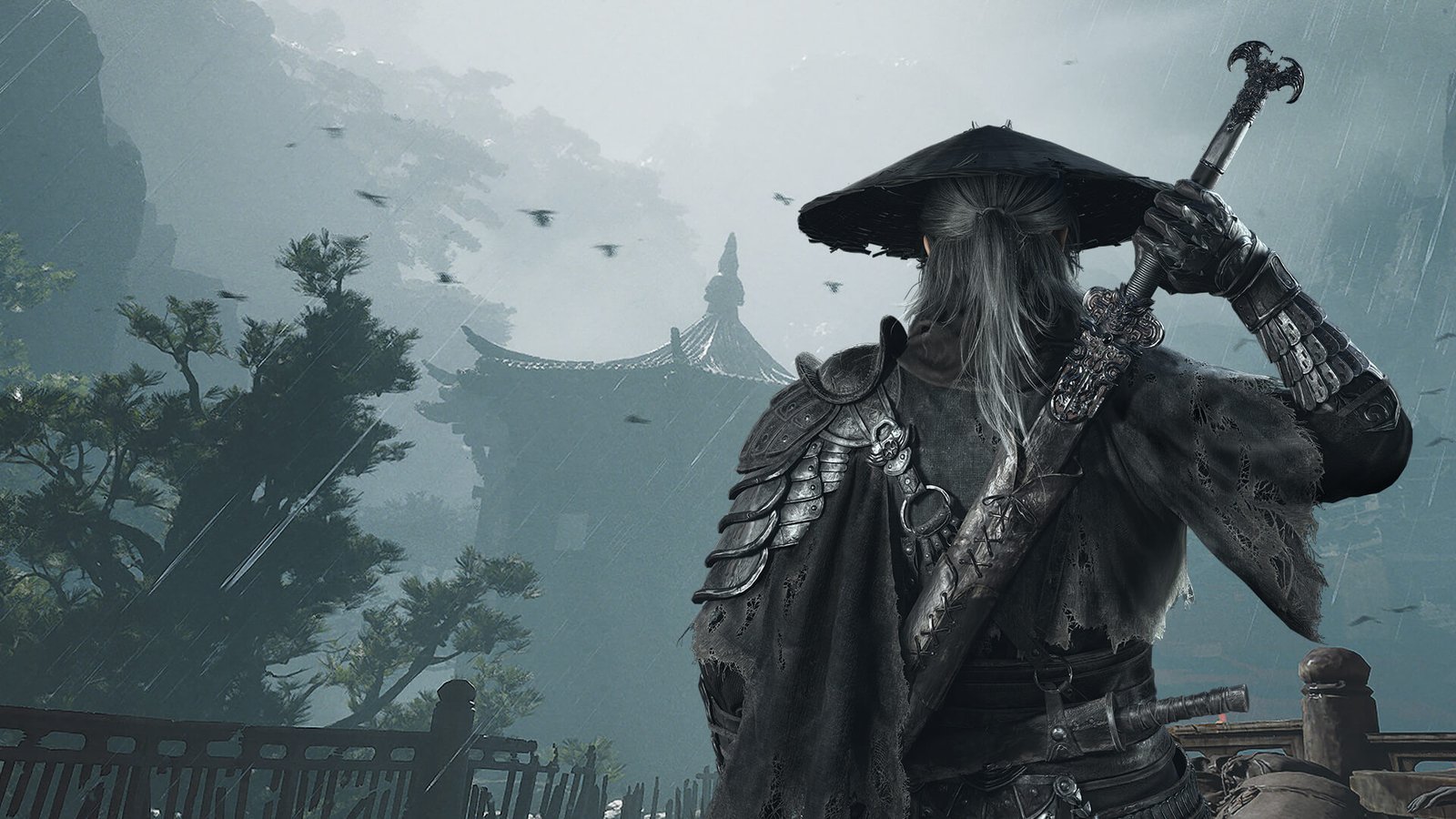
Phantom Blade Zero has been near the top of every action fan’s watchlist since it first showed up in 2023, and it finally arrives on
No comment yet, add your voice below!