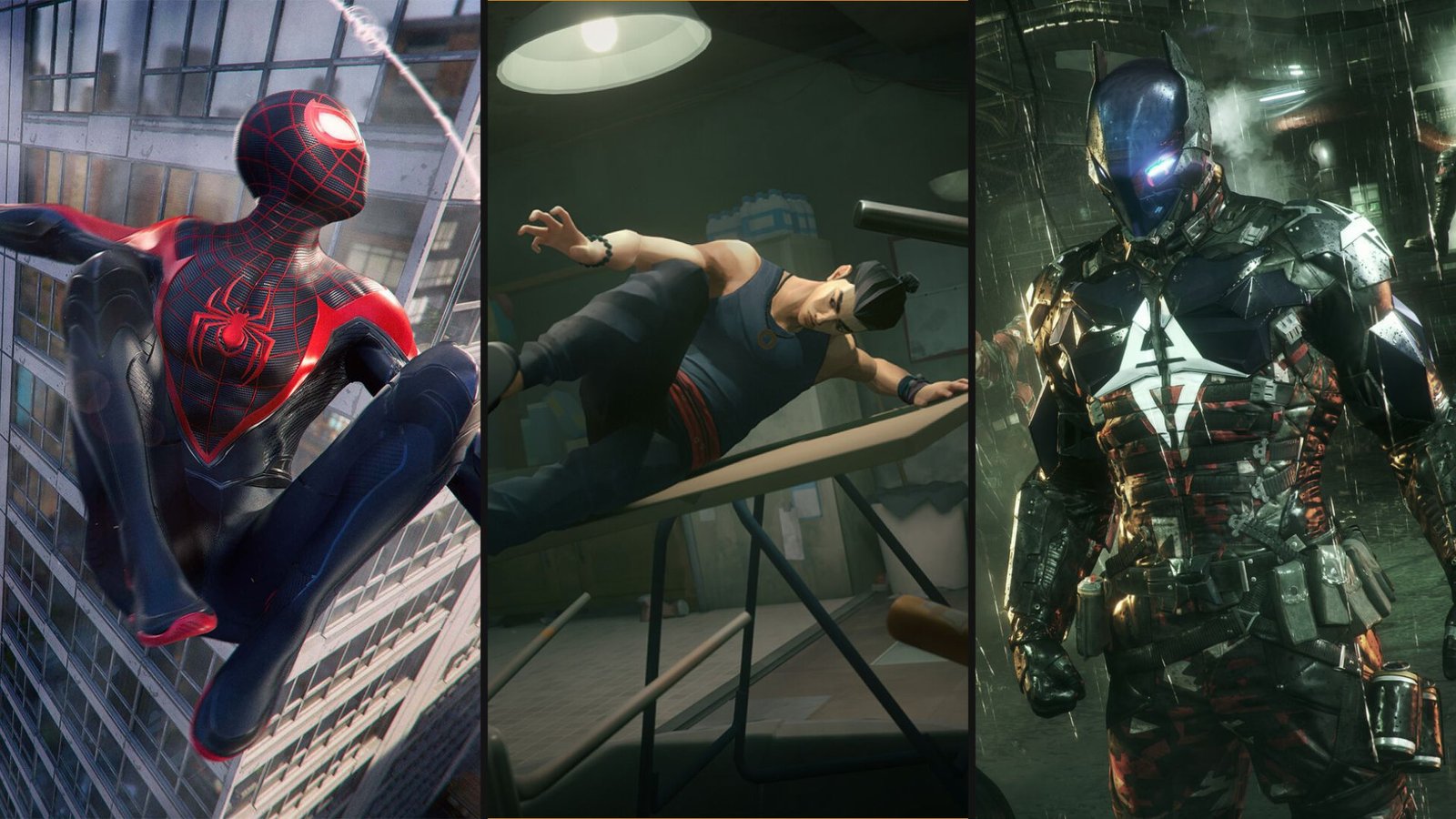
11 Games to Play While Waiting for Marvel’s Wolverine
The long wait is almost over. Insomniac Games’ R-rated take on everyone’s favorite grumpy mutant launches on September 15. Brutal and rage-driven, Marvel’s Wolverine is

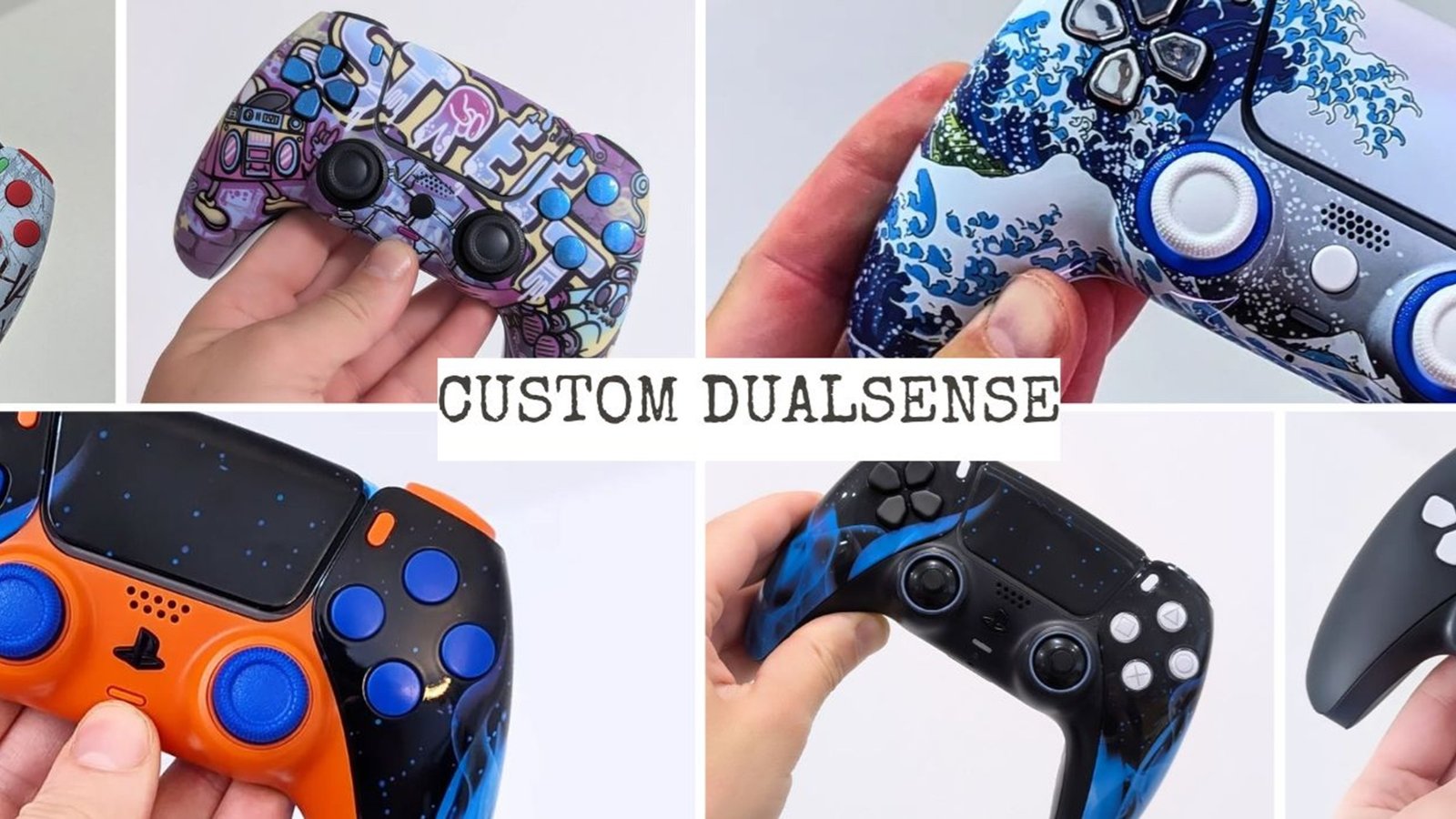
Customisable PS5 controllers have been around for years. Unfortunately, most of them weren’t worth it. Overpriced shells with a fresh coat of paint, a couple of remapped buttons, and the same cheap analogue sticks that’ll start drifting within six months.
That’s changed.
In 2026, a customisable PS5 controller isn’t just a fashion statement. The best ones are genuine performance upgrades. We’re talking about drift-proof joysticks, mouse-click triggers, and rear inputs that keep your thumbs on the sticks where they belong. The question isn’t whether custom PS5 controllers exist. It’s whether spending £95 to £200 on one makes more sense than sticking with the stock DualSense or dropping £199.99 on Sony’s DualSense Edge.
Here’s an honest breakdown of what you actually need to know about pulling the trigger on a personalised PS5 controller.
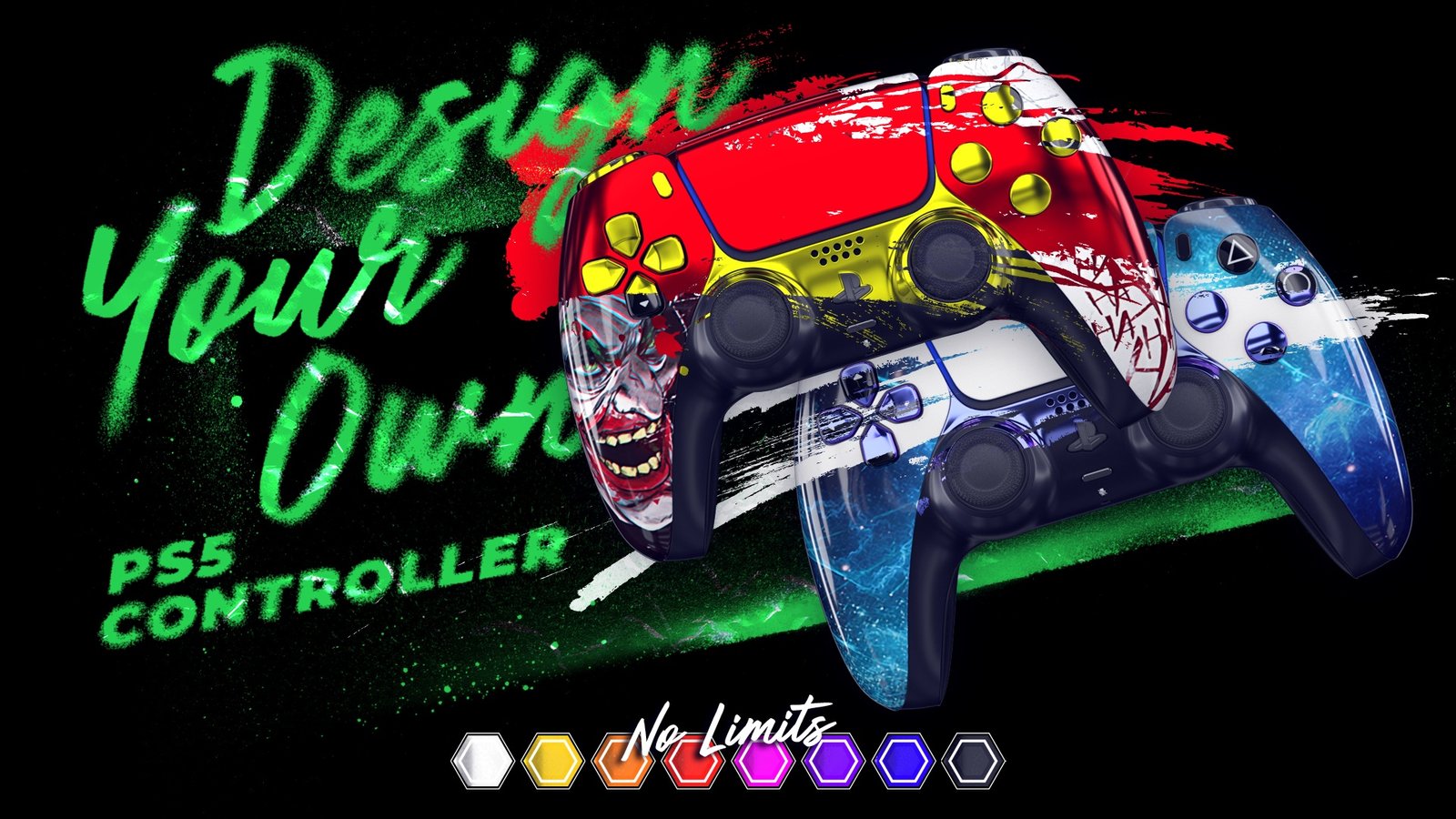
The term “custom PS5 controller” gets thrown around a lot, and it means different things depending on who’s selling. At the basic end, you’re looking at aesthetic customisation: swapping the faceplate colour, choosing a chrome or matte finish, and matching your buttons to your setup. That’s the entry point. It looks good on camera and feels personal. Nothing wrong with that.
But the real value of a customisable PS5 controller in 2026 sits under the shell.
Performance modifications are where custom controllers set themselves apart from what Sony ships out of the box. We’re talking about hardware changes: back buttons, digital triggers, Hall Effect or TMR analogue sticks, interchangeable thumbstick heights, individual D-pads, and grip coatings. These are mechanical upgrades that change how fast you react, how precisely you aim, and how long the controller lasts before something breaks.
The distinction matters. A £65 colour swap is a different product from a £190 fully modded build with TMR joysticks and ClickSticks. Both fall under “custom,” but only one of them changes how you play.
Not everyone needs one. That’s the honest answer most custom controller companies won’t give you. If you play casually, the stock DualSense is a perfectly capable controller. Sony did an excellent job with it.
Of course, having a custom PS5 controller helps, but they aren’t a deal-breaker at all.
But there are four groups where a personalised PS5 controller makes enough of a difference that splurging on one makes sense.
This is where the gap between stock and custom is widest. If you’re playing Warzone, Battlefield 6, Black Ops 7, or ARC Raiders at any competitive level, you’re fighting your controller as much as you’re fighting your opponent.
The stock DualSense forces you to lift your right thumb off the aim stick every time you jump, slide, crouch, or melee. That’s a fraction of a second where your crosshair goes uncontrolled. You move, your opponent moves, and the first player to regain visual control usually wins. Losing that control because you had to press X to jump? That’s not a skill issue. That’s a hardware limitation.
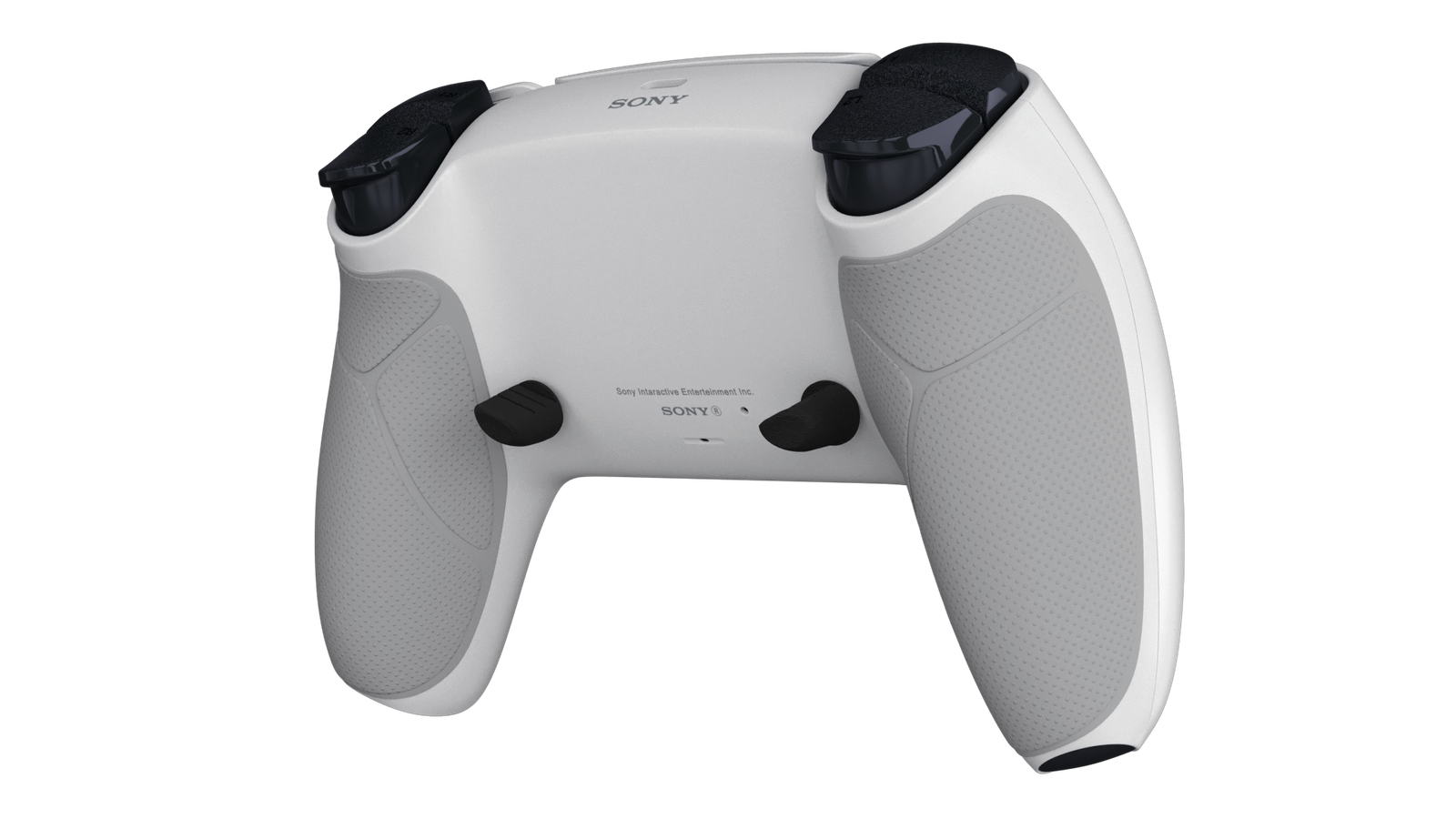
Back buttons solve this. ClickSticks, for example, are low-profile rear buttons with a tactile mechanical click, allowing you to remap sprint, jump, or slide to the back of the controller, and your thumbs never leave the sticks. Add digital triggers that fire with a mouse-click actuation, rather than the stock 70–120ms of analogue travel, and your shots register faster. Layer in TMR joysticks with 3,000 resolution points per axis, and you’re getting micro-aim precision that the stock ALPS sticks physically cannot deliver.
These are mechanical problems, not skill problems. Custom PS5 controllers exist to remove them, not mask them.For a deeper look at how these mods work in competitive settings, our guide to the best PS5 controller mods for competitive FPS breaks it down in detail.
A custom PS5 controller on camera is an instant visual differentiator. Chrome gold, chameleon, matte military green, or whatever you like. Personalised PS5 controllers become part of your brand.
If your setup is part of your content, a personalised PS5 controller is a smart investment.
Custom controllers make exceptional gifts precisely because they’re personal. You’re not handing someone a white box from Amazon. You’re giving them a controller built in their favourite colours, potentially with performance upgrades tailored to the games they play. It’s the kind of gift that actually gets used.
This is the group nobody talks about enough. The standard DualSense uses ALPS potentiometer-based analogue sticks. They’re contact-based, which means friction, which means wear, which means drift. It’s not a question of if your sticks will drift. Rather, it’s when. Every DualSense owner is on the same countdown.
Custom controllers equipped with Hall Effect or TMR joysticks use magnetic sensing instead. No physical contact, no friction, no drift. Ever. The sensor reads the position of a magnet inside the stick module without anything touching anything else. It’s the same principle behind high-end industrial sensors, scaled down to fit inside a controller.
If you’ve burned through two or three DualSense controllers already and you’re tired of adjusting dead zones to compensate for phantom inputs, this alone can justify the upgrade. For the full technical breakdown on how these technologies compare, we’ve covered the differences in our Hall Effect vs TMR analogue stick guide.
Custom PS5 controller companies love throwing technical terms around. We’re not like that. Here’s what each upgrade actually means for your gameplay.
Low-profile rear buttons are built into the back shell. Short travel, audible mechanical click. You can remap any face button to the back — hold the desired button and the ClickStick for 15–20 seconds, and you’re done. No apps, no software.
What it changes: Your thumbs stay on the sticks during jump, slide, reload, and melee. In shooters, that’s the single most impactful hardware upgrade you can make.
The stock DualSense triggers have a full analogue pull — roughly 70–120 milliseconds of travel before the input registers. Digital triggers replace that with an instant mouse-click mechanism. Press and it fires. No dead zone, no wasted travel.
What it changes: Faster ADS and faster firing. Particularly devastating in single-fire weapons and shotgun fights. The trade-off is you lose adaptive trigger feedback — the fancy resistance effects in games like Astro Bot or Returnal. If you play those games often, that’s a real consideration.
The newest analogue stick technology available. TMR sensors measure position using magnetic fields with approximately 3,000 resolution points per axis — roughly 10 times more precise than Hall-effect sensors. They use 98% less power than Hall Effect sensors, run cooler, and hold calibration longer.
What it changes: Smoother micro-adjustments, more consistent aim over time, and zero stick drift for the lifetime of the controller. Fit once, forget it.
A plug-in, pull-out thumbstick system. Swap between standard (9mm), medium (10mm), and high (12mm) stick heights without any tools. Taller right sticks give you finer aim control in shooters. Shorter left sticks give you a faster response time.
What it changes: You can tune your stick heights per game. Tall right stick for ARC Raiders, short for Elden Ring. It takes two seconds to swap. For a full breakdown of which features to prioritise based on your play style, check out our guide to custom PS5 controller features.
A few things jump out. The DualSense Edge costs £199.99 and gives you two rear paddles, replaceable stick modules (£19.99 each, still ALPS-based, still drift-prone), and one colour option: black. No drift-proof sticks. No digital triggers. No shell customisation. Sony marketed the Edge as the definitive pro controller for PS5, but in 2026, the feature set hasn’t moved. You’re paying nearly £200 for a controller that still can’t solve the DualSense’s biggest hardware weakness.
A TCP custom build at the same price point gives you ClickSticks, digital triggers, TMR joysticks that will never drift, an IAS system for swappable stick heights, an individual D-pad, high-grade grip, your choice of shell colour from dozens of options, and a 1-year warranty on the TMR sticks. Every TCP controller is built on a genuine Sony DualSense, so you keep the Bluetooth connectivity, microphone, speaker, motion sensors, and full PlayStation software compatibility that third-party alternatives sometimes compromise.
Let’s talk about the elephant in the room.
The standard DualSense costs £64.99. If you play regularly, you can expect stick drift to develop within 12–18 months. Some people get unlucky and see it in six. The ALPS potentiometer inside the DualSense relies on a physical wiper making contact with a resistive surface. Every micro-movement of the stick wears that surface down. Eventually, the sensor reads phantom inputs. That’s drift.
Sony’s warranty covers manufacturing defects, but wear-based drift after warranty expiry means buying another controller. And the replacement will develop the same issue on the same timeline.
Two DualSense controllers over three years: £129.98. Three over four years: £194.97. Add in the frustration of your character walking on its own during a ranked match and the time spent recalibrating dead zones to compensate, and the true cost is higher than just the price tag.
A single TCP custom build with TMR sticks at £190 will never develop drift. The magnetic sensors have no contact surfaces to wear down. That’s not marketing. Over the lifespan of the PS5, the custom controller is the cheaper option.
The DualSense Edge doesn’t solve this problem either. Despite costing £199.99, it uses the same ALPS potentiometer sticks as the standard DualSense. Sony’s solution is replaceable stick modules at £19.99 per pair. You’re paying a premium for the privilege of replacing parts that shouldn’t wear out in the first place. It’s a band-aid on a design flaw. TMR and Hall Effect sticks don’t need replacing because there’s nothing to wear down.
If stick drift has burned you before, our full explainer on PS5 controller stick drift covers the technical details and your repair options.
Honesty goes both ways. Here’s when a custom controller isn’t the right call.
You only play casually and aren’t bothered by stick drift. If you play five hours a week and your current DualSense works fine, there’s no urgency. The stock controller is well-built. You’ll get value from it.
You rely heavily on adaptive triggers and haptic feedback. Digital triggers disable adaptive trigger functionality. If games like Astro Bot, Returnal, or Ratchet & Clank’s immersive feedback are why you game, you’d lose that with a digital trigger mod. That said, you can still build a custom controller and keep the stock triggers.
You want four rear buttons. TCP’s ClickSticks give you two rear inputs. For most players, two is enough to cover jump and slide.
The goal isn’t to add every feature possible. It’s to build a controller that matches your preferences.
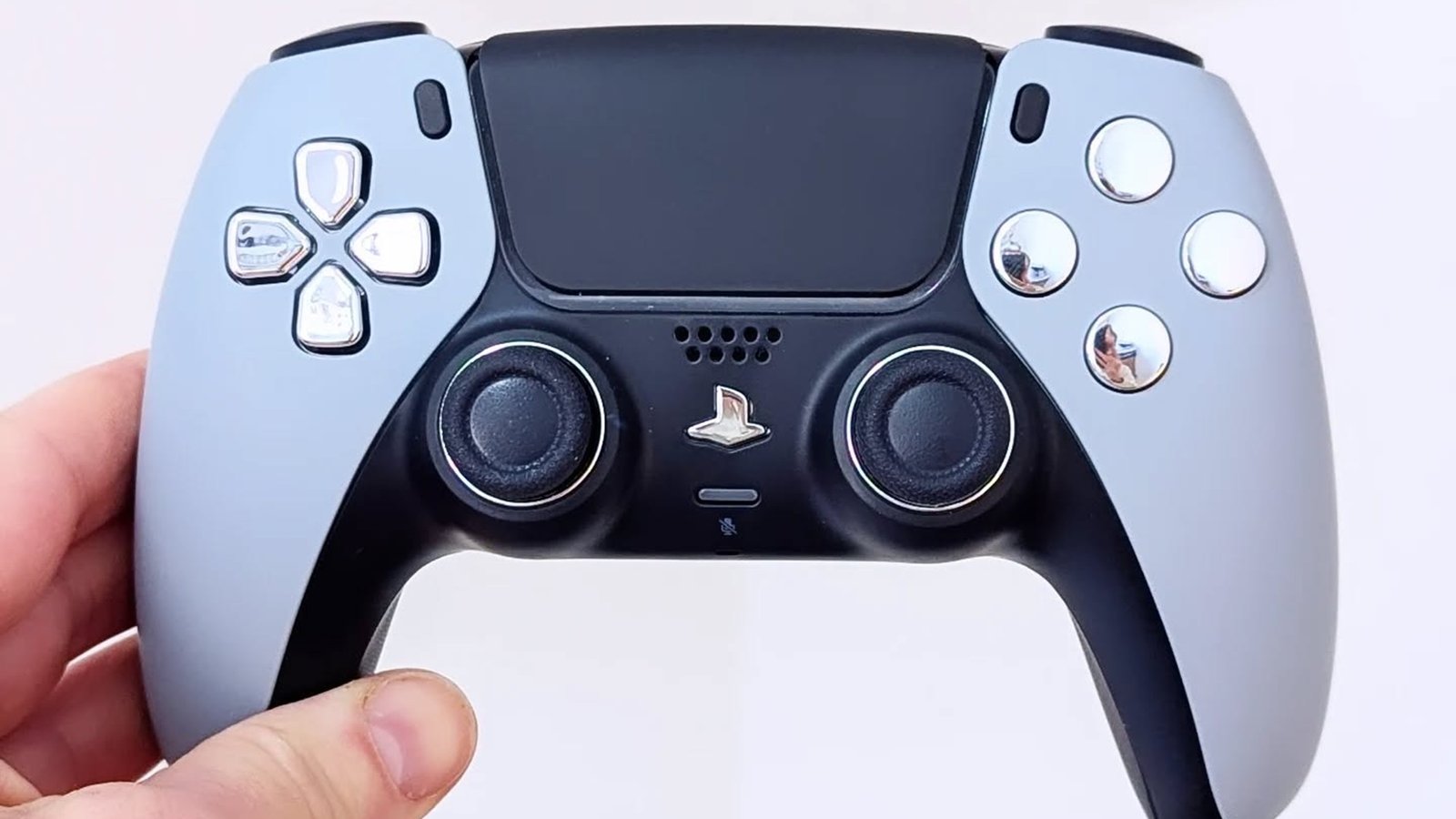
If you play competitively, regularly, or care about the long-term cost of ownership — yes. A custom PS5 controller is worth it in 2026. The technology has matured to the point where you’re not paying for gimmicks. You’re paying for hardware upgrades that genuinely change how a controller performs and how long it lasts.
The sweet spots look like this:
Best value for competitive players: A TCP custom build with ClickSticks, digital triggers, and IAS in the £135–£140 range. That’s back buttons, instant triggers, and swappable stick heights for less than a DualSense Edge. More mods, less money, full colour customisation.
Best long-term investment: A TCP custom build with TMR joysticks at £165–£190. You get everything above plus drift-proof sticks with a 1-year warranty. Over three to four years of PS5 ownership, this is cheaper than buying replacement DualSense controllers.
Best for aesthetics only: A TCP custom design from £65. Choose your shell colour, buttons, touchpad, and back shell. No performance mods, just a controller that looks exactly how you want it. Clean, personal, and built on a genuine Sony DualSense.
If you want a detailed feature-by-feature breakdown before building, our definitive guide to buying a custom PS5 controller walks through everything you need to consider. And for a direct head-to-head comparison between stock Sony and custom, our DualSense vs custom PS5 controllers breakdown lays it all out.
Every TCP controller starts with a genuine Sony DualSense and is hand-modified in our London studio. Custom shell, performance mods, quality-tested, and shipped free in the UK. Orders over £120 ship free worldwide. 14-day money-back guarantee, 3–5 business-day build time, and a warranty that starts at three months and extends to a full year with TMR joysticks.
If you’re not sure where to start, the TCP Pro at £135–£140 is the sweet spot for most players — ClickSticks, digital triggers, and the IAS system in whatever colour combination you want. If you want the full package with drift-proof sticks, the TCP Ultimate with TMR at £165–£190 is the one to beat at its price.
Or start from scratch. The 16-step custom PS5 controller builder lets you pick every detail and shows you the price as you go. No surprises, no hidden add-ons.
If you’ve read this far and you’re still on the fence, that’s fine. Bookmark this page, go play a few rounds of whatever you’re into right now, and pay attention to how many times you lift your thumb off the right stick. Count the moments where your trigger pull feels slow. Notice when your aim drifts left on its own.
Then come back and build your own custom PS5 controller.
So, what are you waiting for?

The long wait is almost over. Insomniac Games’ R-rated take on everyone’s favorite grumpy mutant launches on September 15. Brutal and rage-driven, Marvel’s Wolverine is
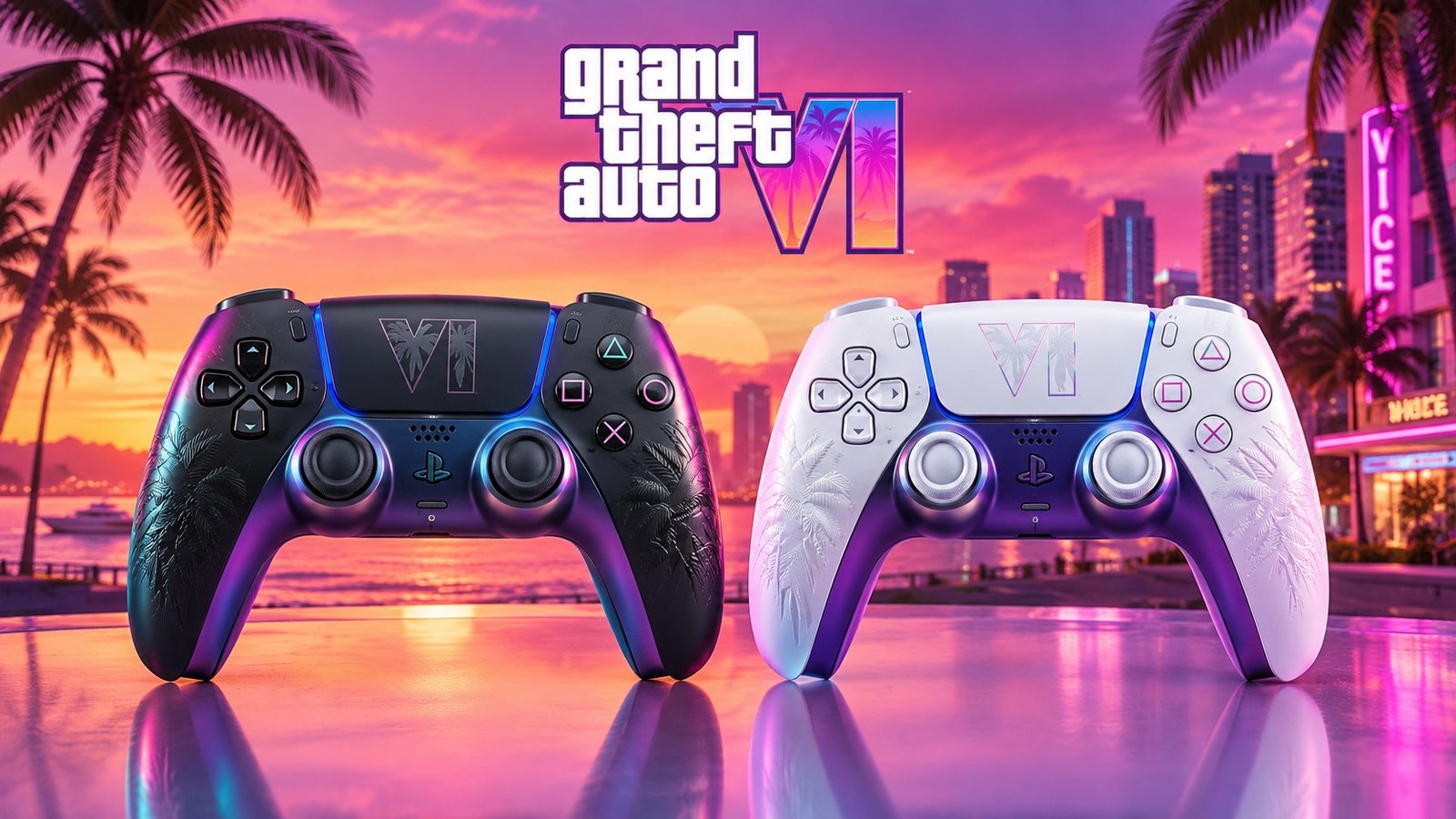
Sony just gave Grand Theft Auto VI the kind of treatment it normally reserves for its own biggest exclusives. At the September 3 State of

For years, the running joke was that we would get Grand Theft Auto6 before we got a proper look at Marvel’s Wolverine. Well, both are
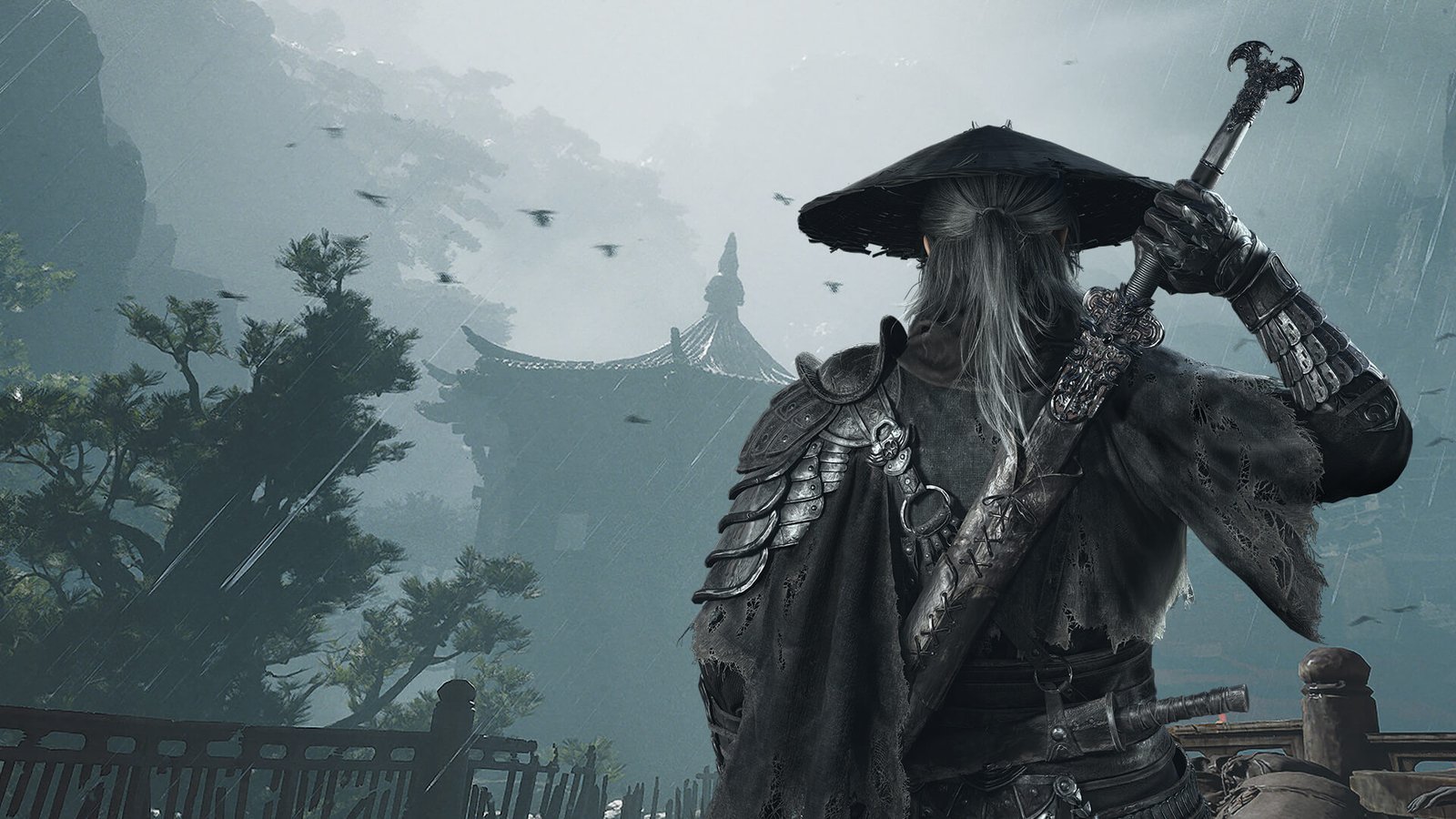
Phantom Blade Zero has been near the top of every action fan’s watchlist since it first showed up in 2023, and it finally arrives on
No comment yet, add your voice below!